My fascination with indigenous culture began when I joined a neighborhood club known as the Camp Fire Girls. Young members began as Blue Birds. The photo reveals my uniform which I proudly wore to school on meeting days. We each contributed ten cents for dues. Our club’s goals were to learn the Camp Fire pledge, participate in outdoor activities and develop strong relationships. Greater inclusivity was a national goal, although our middle-class neighborhood was not an area openly affected by the U.S. Supreme Court decision in 1954, which declared school segregation unconstitutional.
Once we graduated to full-fledged Camp Fire Girls, my sisters and I started saving our money to pay for a one-week stay at summer camp. Many of camps and were known by their indigenous names, which intrigued us.
My only experience at Camp Talooli summer camp was uncomfortable. I suffered from hay fever and had trouble sleeping in the rustic cabin with lumpy bunk beds. The food was unusual, thick oatmeal for breakfast, mystery meat like spam or baloney sandwiches for lunch and hot dogs and baked beans for dinner. I still avoid some of the food I hated at camp.
All of our activities were outdoors. I was peppered with mosquito bites and could not find any relief from the itching at the infirmary. Naturally, the bathrooms were outhouses which I tried to avoid, leading to wet pajamas. That was it, I used some of my snack money to call my mother and demand that she come and rescue me. She refused saying I should talk to my older sister and solve my problems. At that point I cried, “It’s my money and I want to come home.”
My mother’s response, “We will pick you up at the end of the week.”
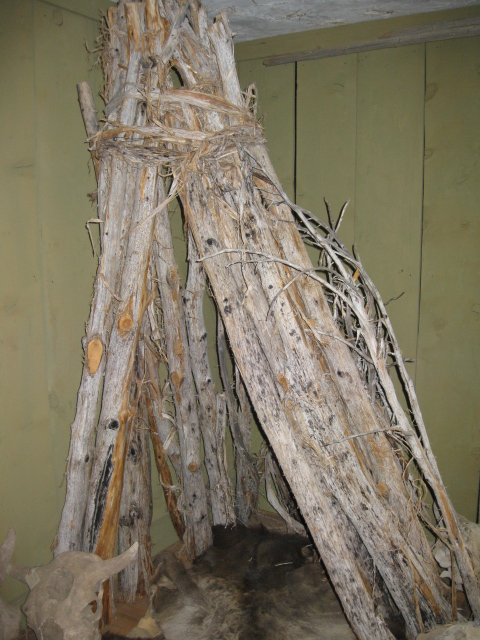
In the historical fiction novel I wrote, Sun on Snow, the Northern Ute clan gathered each morning and evening around a campfire for food, praise of Mother Earth, dramatizations of past adventures and solutions for tribal issues. Campfires are still a strong symbol of health, safety and community well-being. A crackling fire encourages communication, warmth and the comfort of a full belly. In literature and natural environments a campfire heals, offers safety and enlivens spiritual beliefs.
Which childhood activities shaped your path?
My fascination with indigenous culture began when I joined a neighborhood club known as the Camp Fire Girls. Young members began as Blue Birds. The photo reveals my uniform which I proudly wore to school on meeting days. We each contributed ten cents for dues. Our club’s goals were to learn the Camp Fire pledge, participate in outdoor activities and develop strong relationships. Greater inclusivity was a national goal, although our middle-class neighborhood was not an area openly affected by the U.S. Supreme Court decision in 1954, which declared school segregation unconstitutional.
Once we graduated to full-fledged Camp Fire Girls, my sisters and I started saving our money to pay for a one-week stay at summer camp. Many of camps and were known by their indigenous names, which intrigued us.
My only experience at Camp Talooli summer camp was uncomfortable. I suffered from hay fever and had trouble sleeping in the rustic cabin with lumpy bunk beds. The food was unusual, thick oatmeal for breakfast, mystery meat like spam or baloney sandwiches for lunch and hot dogs and baked beans for dinner. I still avoid some of the food I hated at camp.
All of our activities were outdoors. I was peppered with mosquito bites and could not find any relief from the itching at the infirmary. Naturally, the bathrooms were outhouses which I tried to avoid, leading to wet pajamas. That was it, I used some of my snack money to call my mother and demand that she come and rescue me. She refused saying I should talk to my older sister and solve my problems. At that point I cried, “It’s my money and I want to come home.”
My mother’s response, “We will pick you up at the end of the week.”
In the historical fiction novel I wrote, Sun on Snow, the Northern Ute clan gathered each morning and evening around a campfire for food, praise of Mother Earth, dramatizations of past adventures and solutions for tribal issues. Campfires are still a strong symbol of health, safety and community well-being. A crackling fire encourages communication, warmth and the comfort of a full belly. In literature and natural environments a campfire heals, offers safety and enlivens spiritual beliefs.
Which childhood activities shaped your path?

 journeyswithjosie