Rafting the Grand Canyon

brown valley during a grey cloudy sky
Photo by Josh Sorenson on Pexels.com

Grand Canyon National Park turns 100

Our family chose to raft the whole Grand Canyon on a motorized pontoon raft. Well-trained river runners can anticipate when their passengers should hold on for dear life and when they will be able to relax and enjoy being manipulated like string puppets. Our passengers were privileged to spy seven Desert Bighorn Sheep and two beavers on day one. Canyon wrens and Violet-green swallows greeted us throughout the trip. Clever ravens arrived on cue each morning, prepared to scour our campsites for food. These somber-looking birds are able to dive and somersault in order to dominate the sky and survive in extreme locations.

The deeper we ventured into this natural wonder, the more opportunities there were to see hanging gardens, waterfalls and unusual rock formations such as Redwall Cavern, a cave large enough to support a Frisbee game. It was easy to be lulled like a baby in a rock cradle and overlook the forces of nature which continue to carve the canyon.

At night we attempted to sleep under the stars on thick foam pads, but wind laden with sand left grit in our nostrils and hair. Lizards skittered around, some of which had red heads and black collars. We were warned not to keep any food near our tents due to the cleverness of nocturnal packrats and ring-tailed cats, of the raccoon family. Fortunately we did not encounter the Grand Canyon Rattlesnake.

The night sky was confined to the strip between the canyon walls, but made up for it with clear views of the Milky Way and shooting stars. The quarter moon was overpowered by the density of tiny “suns” directly above.

On the second day we were treated to a mule deer flashing its white butt on the shore and a hike up the Little Colorado River Canyon. Here the travertine rocks created aquamarine pools and ripples which we navigated with our life jackets on and a feet-first float in pleasantly cool water.

Onward we rocked and rolled through layers of sandstone and granite. The Vishnu Fault cracked and folded many layers of rocks. If one did not know better, they would assume the rock layers were as pliable as a pad of paper. The aroma of wet sand, crawfish and moss mingled and reminded us we were immersed in nature.

The Canyoneers raft company, originally called Nevills Expedition, has been operating in Grand Canyon for 80 years, therefore we felt sure we would survive a string of larger rapids with names such as Unkar, Escalente, Hermits and Sockdolager.

Our stop at Phantom Ranch required a steamy half-mile hike uphill to a small snack bar and rustic cabins. We gained an appreciation of the tasks mules performed to ferry supplies on the 9-mile Bright Angel Trail. Hikers quickly stripped off shirts and sat in the refreshing river, but we were only there for two hours while some passengers left and others arrived.

On day four we took a hike up a stream to Elves Chasm. We fought our way through the current to a pristine pool at the base of a fern covered wall. Some adventurous passengers swam behind the falls and climbed rock ledges, to leap from the 12-foot high cliff into the pool.

Later, we stopped at Deer Creek Falls. Many of the stronger hikers ventured up a steep canyon trail to a series of ledges and views of the river well below. My daughter, grandchildren and I chose to nurse our raw feet and sit near a divine spray from the falls for two hours.

The fifth day dawned with the anticipation of a possible hike up Havasu Canyon and the infamous Lava Falls Rapid. The hike proved to be impossible due to a lack of safe places to beach our boats. As we ventured on toward Lake Mead, the air heated up to an uncomfortable 100 degrees F. We soaked camp towels and sarongs in the river and covered our skin. Before Lava Falls Rapid, we hiked up a trail lined with black volcanic rocks, attempting not to touch their painfully rough and extremely hot surface. The sound of the rapids reminded me of an approaching thunderstorm and the view was as frothy as ocean surf.

Depending on where you sat in the boat, everyone prepared to be thoroughly drenched in Lava Falls Rapid. Since we were in a wide pontoon boat we were not afraid of being thrown out, but hanging on to sturdy bars was essential. The experience was superior to the best roller coaster or water slide you could imagine.

The following day was punctuated by frequent moderate rapids and an opportunity to sit on the outrigger pontoons where one could relax and feel the movement of the whirlpools and waves. At night prolific bats swooped and swirled while ridding us of mosquitos. 

The last day was tough because we had to be in the boats by 6:30 am with all of our gear transferred to our own duffels. The river flow slowed as we moved out of the canyon and met up with the brown sediment approaching Lake Mead. We disembarked at Pearce Ferry take-out and boarded various vans to reach our hotels and cars. We waved goodbye to our fellow travelers knowing we may never experience this geologic trip of a lifetime again.
Esther Burnell: My Kind of Woman

IMG_0471

Highlight your visit to Rocky Mountain National Park with a hike to Mills Lake, named after Enos Mills. It is the quintessential scene in Rocky Mountain National Park due to Longs Peak, Pagoda Mountain, and Chiefs Head in the background.

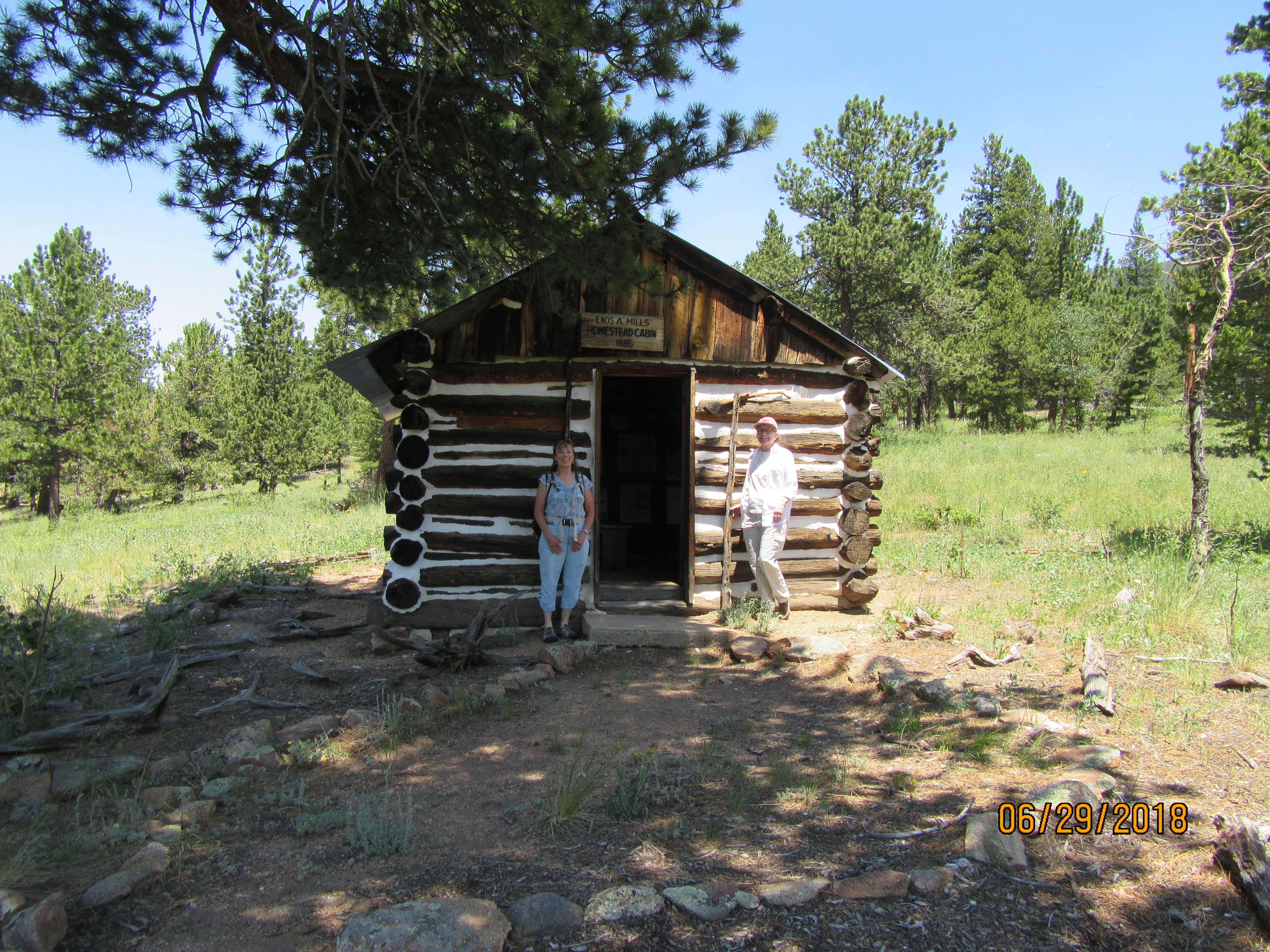
Continue your investigation of the intrepid homesteaders who convinced Congress to preserve this wonderland in 1915. From Estes Park turn on S. St. Vrain Ave. Two miles south on Colorado Highway 7 from Lily Lake stands the sign indicating Longs Peak view. Across the road from that point is an intriguing cabin built in 1885 by young Enos Mills. Today, you can visit this authentic cabin and museum dedicated to Enos Mills’ legacy, which is run by Esther’s great-granddaughter, Eryn. The museum is open year-round, by appointment only. Go to www.enosmills.com to make an appointment or call 970-586-4706. A private tour costs $20.00 per person.

After attending Lake Erie College near Cleveland, Ohio and later studying interior design at the Pratt Institute, Esther Burnell worked as an interior designer. At age twenty six, she was tired of corporations and urban life. In 1916, she and her sister, Elizabeth took a life-altering vacation to Estes Park, Colorado, staying at the Longs Peak Inn, which Enos Mills founded. Esther decided to stay and stake her claim to land near the Fall River entrance to Rocky Mountain National Park. Using her design skills, she planned her cabin and helped build it.

While living in her cabin alone and proving her claim, Esther explored the Rocky Mountains thoroughly. One winter day, she snowshoed 30 miles, to meet friends on the other side of the Continental Divide. After a rest and full-day’s visit, Esther spent 2 days returning to her homestead. People who knew her claimed she was formidable.

The “Father of Rocky Mountain National Park”, Enos Mills, hired her to help him with secretarial work while he was writing his book, “Your National Parks.”

Esther became the Park Service’s first female nature guide. In 1917 she worked alongside her older sister, Elizabeth, and Enos Mills, taking guests as far as they were keen to hike.

Esther and Enos were married on August 12, 1918 at his cabin. Their daughter, Enda, was born in 1919. Just three years after their daughter’s birth, Enos died at age 52. Esther continued to run her husband’s business, the Long’s Peak Inn, and published several of his books.

In 1935, Esther Burnell Mills co-authored a book with Hildegarde Hawthorne on Enos Mills’ life, Enos Mills of the Rockies. Later, she also wrote A Baby’s Life in the Rocky Mountains.

Like Esther, I plan to influence those who seek an understanding of Colorado’s early inhabitants. My novel, Sun on Snow, delves into the White River Ute band and their effective survival skills.

Rowing the Colorado River Through the Grand Canyon


When John Wesley Powell made the first successful expedition through the Grand Canyon by boat, he started from Green River, Wyoming. Three boats and ten men headed for Big Canyon without maps or knowledge of white water navigation. It took over three months with time out for exploration and recovery. The journey covered over 1,000 miles.

One hundred and fourteen years later, three men in one wooden row boat launched from Lee’s Ferry intending to set a speed record through the entire Grand Canyon. There was an excess of rainfall and snowmelt in 1983. The spillways on Glen Canyon Dam had to be opened to their maximum flow.

Kenton Grua, Rudi Petschek, and Wally Rist knew the river as well as any boatmen could. Their dory, named the Emerald Mile, was highly maneuverable. Still they had no idea how they would control their boat on a river flowing at 70,000 cfs or more. Since they were not carrying proof of a permit for this trip, they started in the middle of the night. They had 276.5 miles to cover before reaching Lake Mead.

It was the gamble of a lifetime and one which these three adrenaline-charged raft guides felt compelled to take. Each man was clear on their role, leaning into the gunnels whenever they were high-sided, keeping the bow weighted if there was danger of flipping, and rescuing the rower if his arms started to give out.

It took exactly thirty-six hours, thirty-eight minutes, and twenty-nine seconds. The speed record was beyond their highest expectations. The fact that they were all alive was an additional accomplishment.

If you desire a brilliant description of this and other trips through the Grand Canyon, read The Emerald Mile by Kevin Fedarko.

Kevin Fedarko has continued his quest to describe the Grand Canyon by attempting a 650-mile ”sectional” thru-hike across the rugged and unmarked trails of the south rim. Go to: ngadventures.com to discover the whole story. The September 2016 issue of National Geographic paints a thorough picture of what Kevin Fedarko and Pete McBride attempted.


Runes

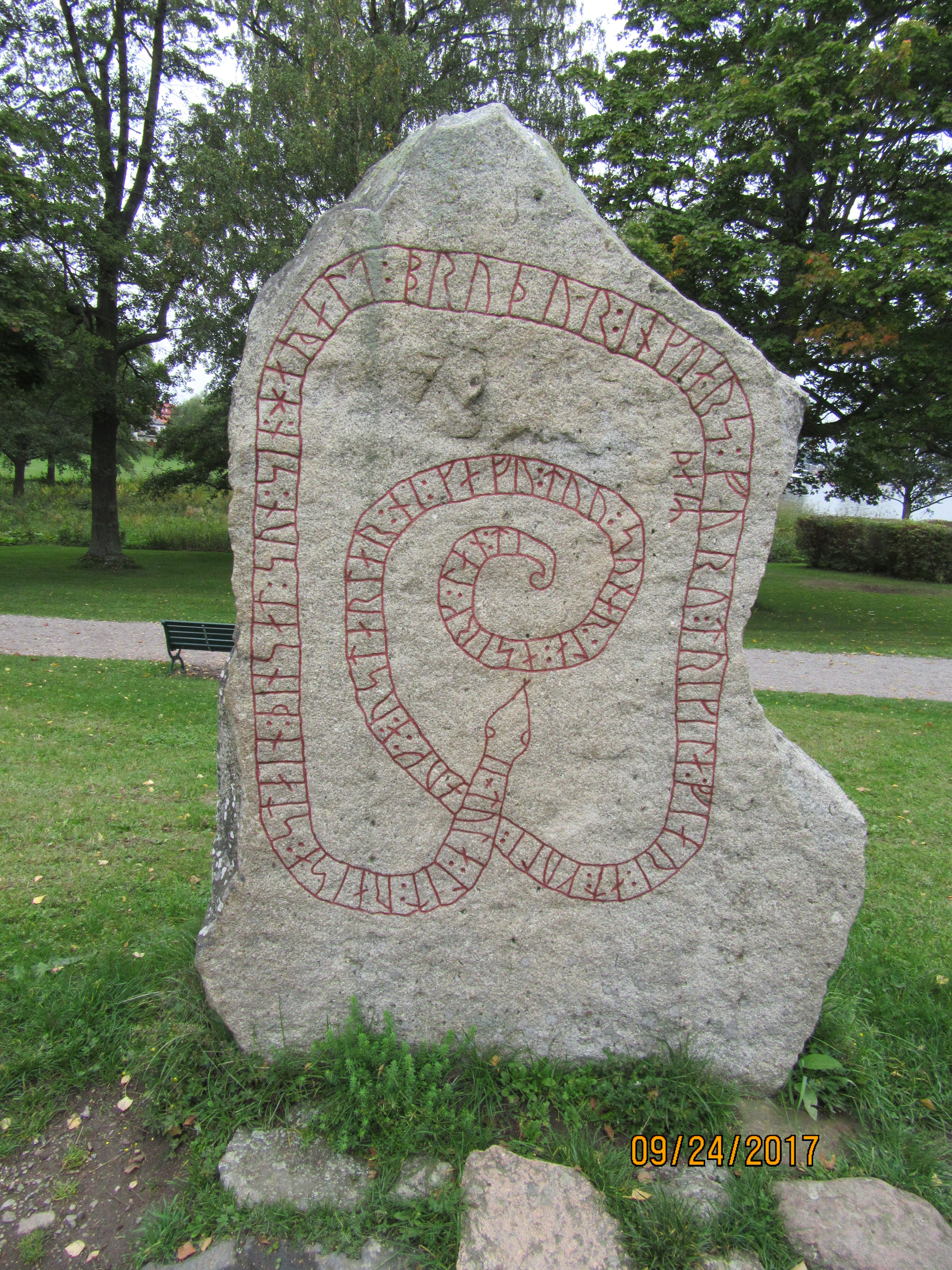
Stories from ancient times were preserved in stone. Depending on when and where the authors lived, they might be carved using different alphabets or pictures. This runic alphabet was used in Sweden in the 11th Century. During this portion of the Middle Ages, Vikings were traveling to many other countries searching for precious minerals and conquering other people.
Here is one story which has been reproduced. “They fared like men far after gold and in the east gave the eagle food They die soutward in Serkland” The explanation is they killed enemies while traveling far. Serkland was “the Saracens land”.
Many rune stones such as this were found in Sweden. This one is on the lawn of Gripsholm Castle, one of eleven royal palaces in Sweden.

To study the entire futhark alphabet and the modern translation go to: https://en.wikipedia.org/wiki/Runes

IMG_0259

Vikings: The Good, Bad, and Dirty

The Vikings were extraordinary ship builders. Before 800 AD, they invented ships which could sail up rivers and travel across the Atlantic Ocean. Since their boats were designed to flex with the movement of waves, a massive new era of trade with far-flung people developed.

They were the first Europeans to reach North America. In 1,000 AD Leif Ericsson, also known as Lucky Leif, began a settlement in Newfoundland.

They were also superior at mass producing tools, clothes, and equipment. They communicated in runes and carved messages in stones and wood. They began the very first parliament in Pingvellir, Iceland.

BUT, they were also vicious warriors. They used surprise attacks in Russia, France, Turkey, the British Isles, Greenland, and Iceland to conquer new territory. They used swords, axes, spears, and bows to kill and capture their enemies. They took slaves and were particularly cruel to women. They stole everything of value.

Historically, bathing was a problem in cold places or while traveling long distances. Instead, a group of Viking men might share one bowl of water, rinsing their faces, necks, and beards, clearing their nasal passages and spitting, then passing the bowl to the next warrior.

The photos are from the earliest town in Sweden, which is now a World Heritage Site. During the summer months, you can take a guided tour of Birka, climb their ancient fields, visit a museum of archeological treasures, and wander through a reconstructed village. The island of Birka is located on Lake Malaren.

For more information go to: http://www.birkavikingastaden.se
or: facebook.com/birkavikingastaden

No Quick Trips to the Market

Well before Longs Peak was named by explorers Native Americans were using the visible peaks we call Meeker and Longs as guides to their hunting grounds. As long ago as 3850 B.C. Ute and Arapaho tribes camped in the tundra to hunt large animals such as deer, elk, and bears. Before Spanish explorers brought horses to Northern Colorado, these ingenious people used hunting walls and hunting blinds to corral their prey.


Today you can find evidence of these in Rocky Mountain National Park. Driving over Trail Ridge Road there is a place where Hidden Valley Ski Area was established in 1934. You will not find a trail, sign, or parking area therefore you will need guidance from the experts at Alpine Visitors’ Center. Once you park in a pullout, you can hike above treeline. Gaze at the landscape until you discover two rugged lines of rocks which had been walls. These walls gradually narrowed to a point where hunters would wait in a round blind. Women and children might have scared the game into the entrance between the walls and ran them uphill toward the blind. Spears, bows and arrows, and hatchets were used to kill the animals.


The circle of rocks, or blind, you see here may have been altered since prehistoric times, but the “walls” are authentic. If you see or hear any signs of a storm while hiking, head downhill immediately.

The Mystery Below Dream Lake


You cannot help focusing on Flattop Mountain while at Dream Lake. It juts 3,000 feet above you and, for the most intrepid hikers, lures you 4.4 miles to the Continental Divide.

The most impressive aspect of Dream Lake, however, is what lies below. The Ancestral Rocky Mountains were formed 1.7 billion years ago. They are made up of the oldest rocks in North America, which are Precambrian metamorphic rocks. What you know as the Rocky Mountains of Colorado are actually the newer rocks, which were pushed up about 80 – 55 million years ago. Since then glaciers, wind and water have carved the spectacular chain of skyscrapers we know as The Rocky Mountains.

As these modern mountains were forced upwards, they left some rock slabs tilted at steep angles. One popular place to see results of tectonic forces is the Flatirons in Boulder, Colorado.

However, don’t overlook the rare beauty of the Ancestral Rocky Mountains revealed in Big Thompson Canyon. In the narrowest section of this twisted river canyon are black walls of banded gneiss and shiny schist deposited 1.8 billion years ago. Highway 34, from Estes Park, CO to Loveland, CO will open on Memorial Day weekend, 2017. The road will still be under construction for another year. They are reshaping the canyon so the Big Thompson River cannot do as much damage as it did in the flood of 2013.

Take this historic drive to Rocky Mountain National Park and head toward the bus stop to Bear Lake. From Bear Lake, maps and signs will lead you to Dream Lake and beyond.

For further information about the Geology of the Rocky Mountains go to:
20160928_091917wikipedia.org/wiki/Geology of the Rocky Mountains

If you are fortunate upon arriving at exit 254 on Colorado’s I-70, you will be rewarded with a perfect view of The American Bison herd. I say “The” because these animals are descendants of seven of the remaining wild animals discovered in Yellowstone National Park in 1914. Exceptional survivors such as this herd escaped the twenty-year massacre of bison, which took place after the Transcontinental Railroad was completed and the Civil War ended.

Try to excuse the sign, which states “Buffalo Herd Overlook.” The City and County of Denver Parks still use the popular name for bison. If you do not spy the herd immediately, you can drive to the Chief Hosa exit and continue north on a dirt road which is part of the Lariat Loop National Scenic Byway. The bison are also fed here and can actually cross under I-70 to the Overlook.

Prior to being hunted to the brink of extinction, American bison roamed over 40% of our nation. Indigenous people and early explorers thrived on bison meat and were protected by their hides. Since there were millions of bison, it was not unusual for people to come upon a herd of 1,000. They were so numerous that members of the Lewis and Clark expedition stopped mentioning them in their journals.

Why do you think the United States Army, and early pioneers ignored the value of these beasts and did nothing to preserve the species? With no foresight, they concluded that wiping out the bison would make it easier to wipe out the Indians. Were news and historical agencies aware that 50 million bison were being exterminated?

These facts help with our current efforts to right the wrongs.

  • A bison can outrun a Quarter horse over a ¼ mile tract
  • A bison can jump a six- foot fence from a standing position
  • Their curved horns can grow to be two-feet long.
  • Today there are about 4,000 American bison in Yellowstone National Park. They are more dangerous to humans than bears.
  • See The Long Trail of Yellowstone Bison, Defenders of Wildlife.

Westminster Castle: the Big Red Castle

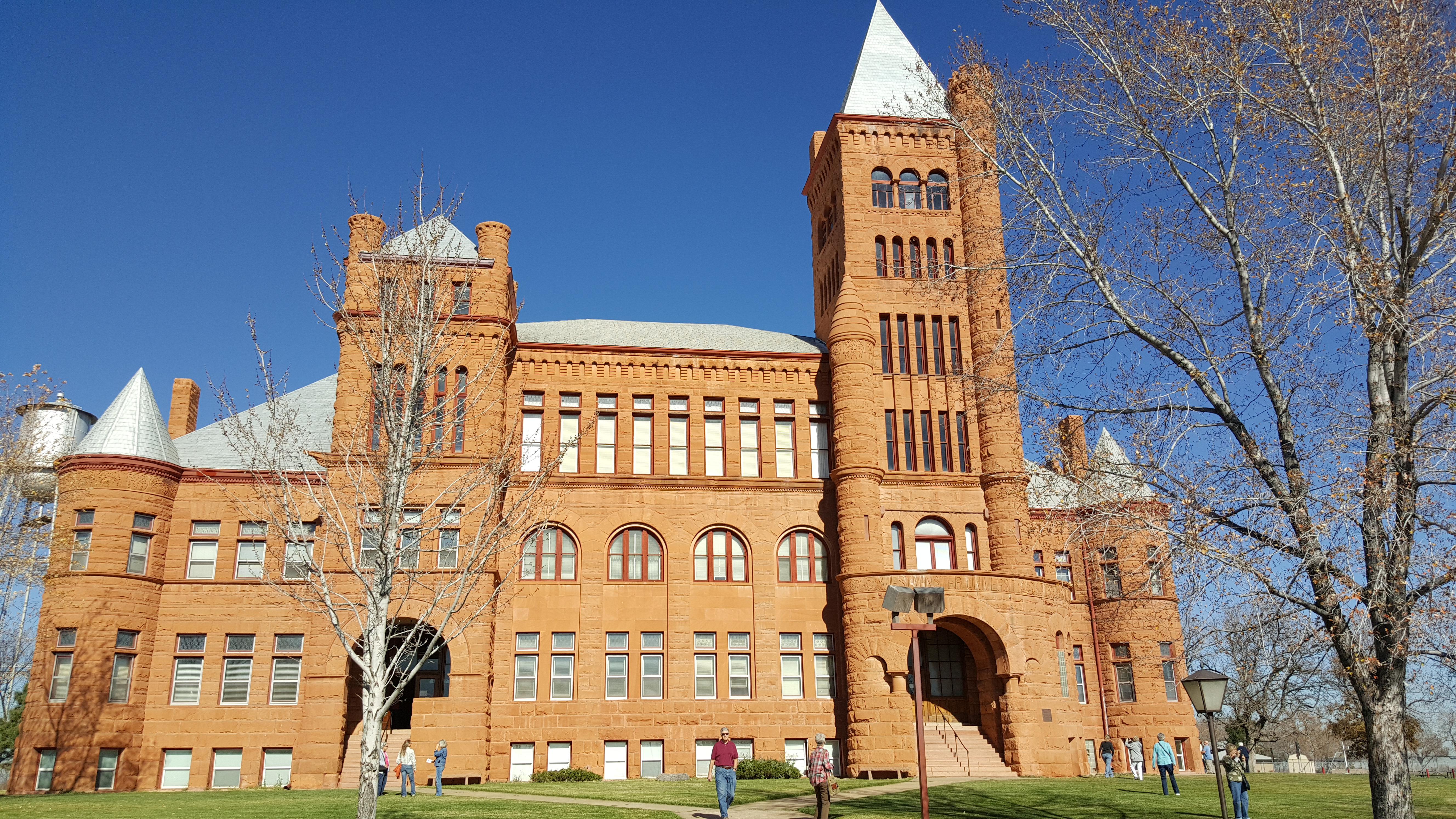
Have you ever wondered about the big red castle at 3455 West 83rd Avenue? It stands out because it was built at Crown Point, which is 5,552 feet above sea level. The sandstone tower is another 175 feet high, well above the Mile-High City, Denver, Colorado.

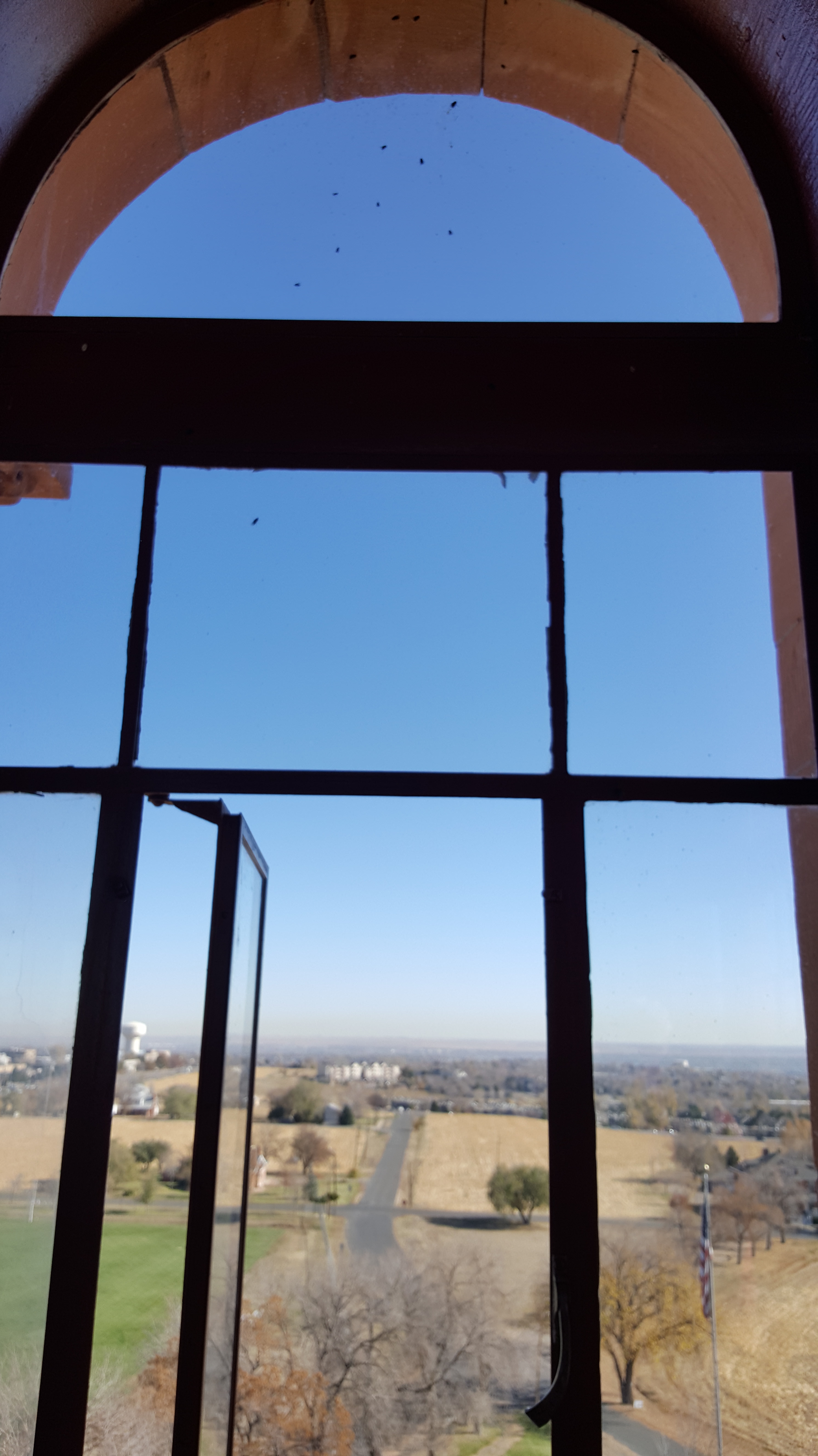
Even though it is much shorter than the many skyscrapers of Denver, Westminster Castle overlooks precious land. Looking west from the tower, you can imagine a prairie where Arapaho Indians once camped and hunted buffalo.

Stretching your vision towards the foothills of the Rocky Mountains, there are remnants of the Cherokee-Overland Trail. From 1849 until the completion of the Union Pacific Railroad in 1869, Native Americans, pioneers, and gold seekers traveled here between the Santa Fe Trail and the Oregon Trail seeking a better life.

Built in 1893, the three-story castle became a Presbyterian university. In 1915, the Board of Trustees decided to exclude women from the university. Within two years, they discovered they had no students at all. All of the young men had gone to fight in World War I.

Today you can tour the castle, now used by the Belleview Christian Schools. There will be a winter open house sponsored by the Westminster Historical Society on Saturday, January 21, 2017. Prepare to join the Historical Society for $15. per person or $25. per family. Meet at the Westminster History Center, 7200 Lowell Boulevard by 10:30am, then drive to the Castle to take a tour between 11:00 am and 1:00 pm. Wear your walking shoes and plan to climb the steep and narrow steps to the tower for a stunning view.

If you miss this opportunity, check the Westminster Historical Society Calendar for the June Open House or request a personal tour.

View from the Westminster Castle Tower

View from the Westminster Castle Tower

20161112_112501

Harriet Tubman: Heroine of the Underground Railroad


She was born in 1822 on a slave plantation in Bucktown, Maryland. After suffering a cracked skull as a punishment, she knew she must seek liberty or death. In 1849, she walked at night through Delaware, Philadelphia, Pennsylvania,and New York, reaching safety at last in St. Catherine, Canada.

All of the secret places which hid escaped slaves were linked by the Underground Railroad. Unfortunately, no trains helped the runaways and their hiding places were anywhere, above or below ground.

Now, Harriet Ross Tubman’s home, in Auburn, New York, is a National Historic Park. To learn more about it go to: www.harriethouse.org

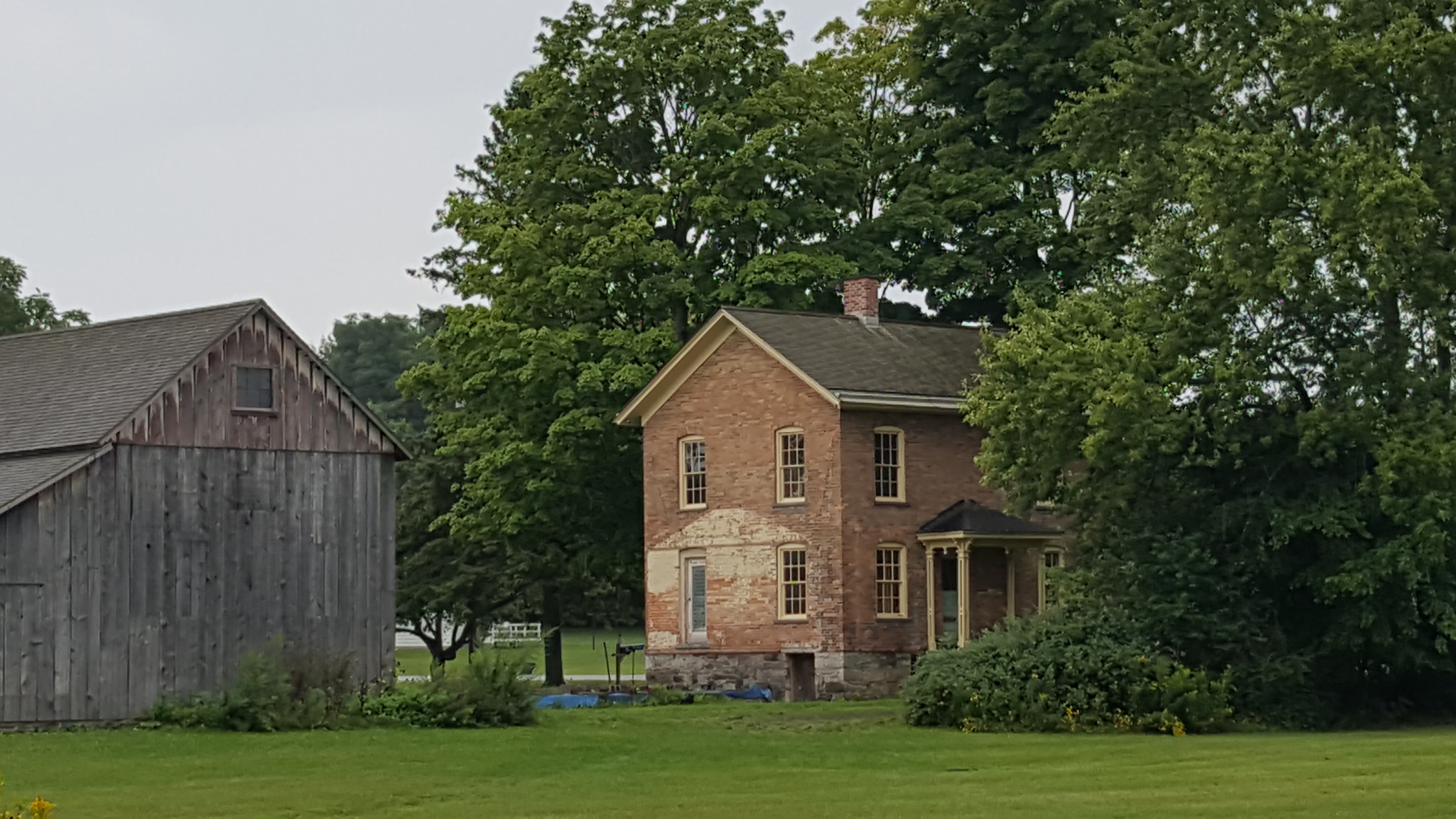
It was not enough for her to start a new life in Canada. She made thirteen more trips to Maryland to lead slaves to freedom. She was helped by a famous man, William H. Seward, of Auburn, NY. He became Abraham Lincoln’s Secretary of State. Not only did his family and staff hide runaways, but he also sold Harriet Tubman her first home which included 7 acres of land. The brick home in the picture, was built after the original wooden house burned down. Harriet always welcomed those who needed a place to live, sometimes keeping 20 or more people in the four-bedroom space.

Her message to all of us both simple and profound, “Children, if you are tired, Keep Going; if you are scared, Keep Going; if you are hungry, Keep Going; if you want to taste freedom, Keep Going.”

What challenges have you faced, that Harriet Tubman’s motto can help to solve?20160831_120218?