There is no clear record of when the Northern Ute people acquired horses. In 1640 some Eastern Utes escaped from Santa Fe where they were kept prisoner by Spanish invaders. They took horses north with them. Imagine the surprise of their band as they rode into their former life as impossibly tall spirits.
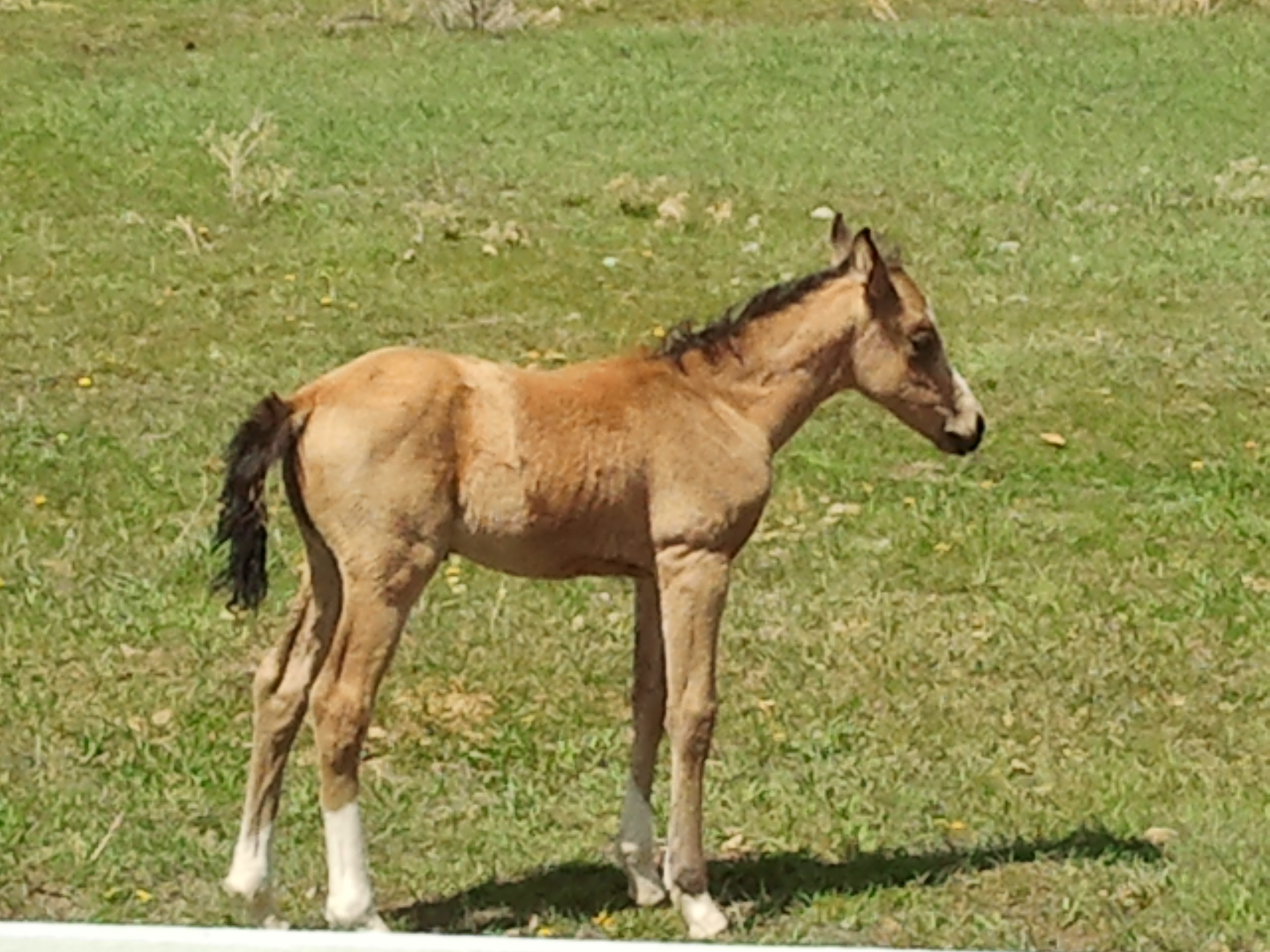
The Southern Utes continued to capture Spanish horses when possible, but these would remain extremely rare in the Northern areas of what is Colorado today. Fortunately the horse thrived well on the native grasses of the valleys and plains and naturally increased in number. It must have felt miraculous when the first foals were born to a band.
As warring bands of Comanches, Apaches and Southern Utes displayed their power on horses, it became clear that all indigenous people needed these speedy, sturdy and adaptable beasts.
By 1700, it was likely that Northern Utes had traded for or stolen their own horses. For the first time Ute people could carry larger loads of hides, meat, baskets and hunting tools. With horses, Utes could hunt buffalo, defend themselves against attackers, scout for game and transport shelters.
Today, as I ride a bicycle through rural Colorado, I also marvel at newborn horses. Possibilities arise as this shaky creature quickly gains strength.
Colorado History and the World
Category Archives: Uncategorized
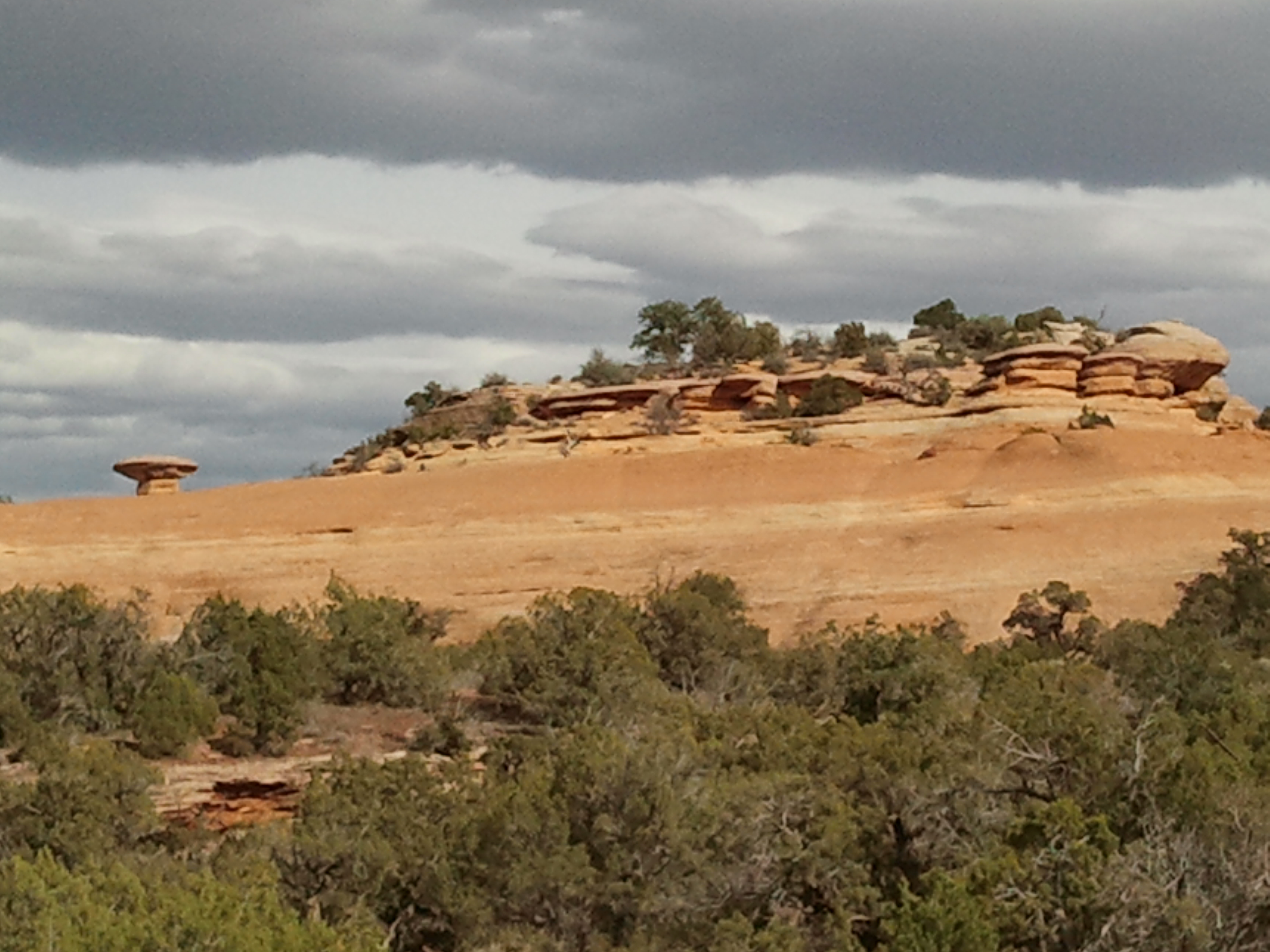
Although the canyons of the Uncompahgre Plateau began with an uplift four million years ago, they continue to be shaped by wind and water today. Every time you walk the unique trails of the McInnis Canyons National Conservation Area in Fruita, Colorado you will discover new fanciful structures, rock windows and caves, ancient rock art from the Fremont culture and secluded slots. There’s no mystery as to why the Ute Indians chose to camp, hunt, and gather food among the protective arms of the Colorado River canyons.
In the novel, Sun on Snow, a pioneer girl and Northern Ute boy play house in a cave inhabited only by small animals. They come to appreciate the differences in their writing and communicating techniques as well as the joy of pretending they are carefree and self-sufficient.
I’m sure your steps will also feel lighter and your heart sturdier as you experience a hike back in time.
Pioneers of Flight

Women and men made history in the simplest, yet most demanding ways. Two brothers from Ohio used their bicycle engineering skills, dredged up what they knew about wind and kite flying and applied every ounce of their resources to master the first successful airplane. Wilbur and Orville Wright used a single steel rail and a twenty-seven mile per hour headwind to fly their invention on December 17, 1903.
I was impressed by these men and the Wright Brothers National Memorial on a recent trip to Kill Devil Hills, North Carolina. It wasn’t until they were able to control the rudder, warping mechanism, and elevator simultaneously that they stayed aloft for 59 seconds. They were satisfied with the 852 foot world record, despite the plane crashing into the sand, flipping over in the wind and being damaged beyond repair.
Surely these men were aware of the extreme cost and manpower which brought railroad trains to Colorado in 1870. Yet, they were not bound by the popular opinion of trains being the ultimate way to travel. With the meager support of a few people, they broke through barriers most still believed to be crazy. By 1904 their next airplane was able to make one hundred five successful flights. In 1905, an improved design stayed aloft for thirty eight minutes.
I shall remember these determined and ingenious men the next time I allow myself to become discouraged.

Flat Tops, White River National Forest
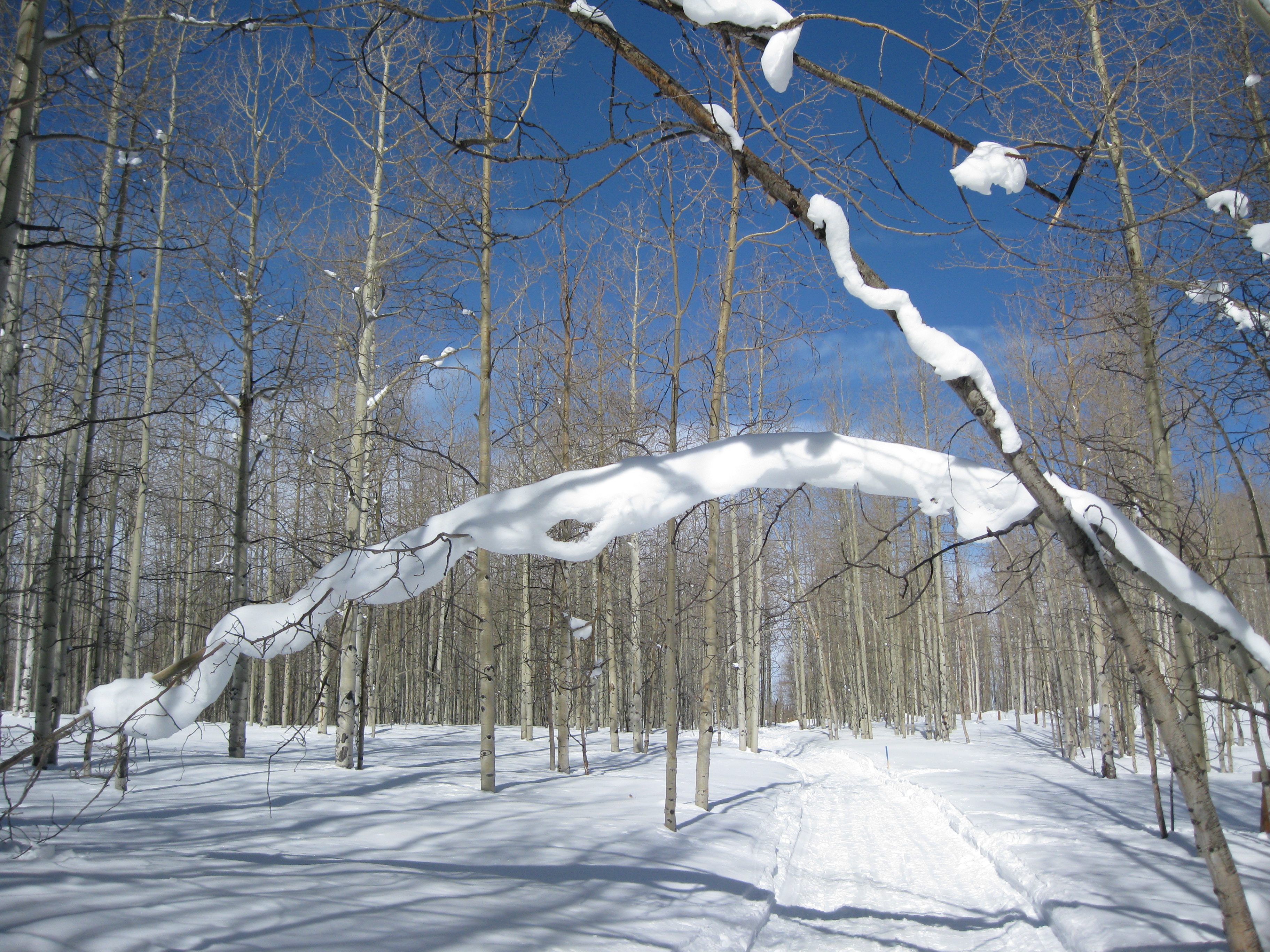
A perfectly serene plateau rests in Colorado, luring those who might traverse it on skis or snowshoes. If you are one of those fortunate few, choose a winter week day and ascend the Buford New Castle road, 245, which initially tags along West Elk Creek and ultimately ends where the snowplow turns around. Other than the Ute Trailhead, few man  made signs will mar your trip. Upon reaching a snow covered parking lot at 9,600 feet above sea level, prepare to ponder the crystalline strength of snow, the inspiration of healthy trees, the sparkle of sunshine easily piercing the pure air, and silence. Where are the animals? How did the Northern Utes survive in temporary shelters? How can we preserve the White River National Forest? Can you continue on these mysterious trails while appreciating each moment?
The Big Island: unforgettable
Goddess of Fire
Hawaii Volcanoes National Park
Stumbling amidst razors of obsidian suspended by crimson veins,
I stare at Pele’s power to transform.
As shadows deepen, blindness threatens,
live scarlet flows glow, reshaping cliffs, forming a maze.
We dare to hike nine shaky miles on silica spikes
in search of earthly understanding.
While Pu’u OO is shaping Hawaii
blisters form on soles, fears arise in puffs,
rotten egg odors invade nostrils.
“Pele, I struggle to find my true purpose.
Your force and persistence impress me.”
Must I walk on fire, endure pain,
accept sadness, survive a century?”
“Naturally, I create so your spirit can soar,
I deliver newborn earth, just as woman delivers young.
Walking mindfully quiets the chatter sister,
Insight will bubble up like lava.”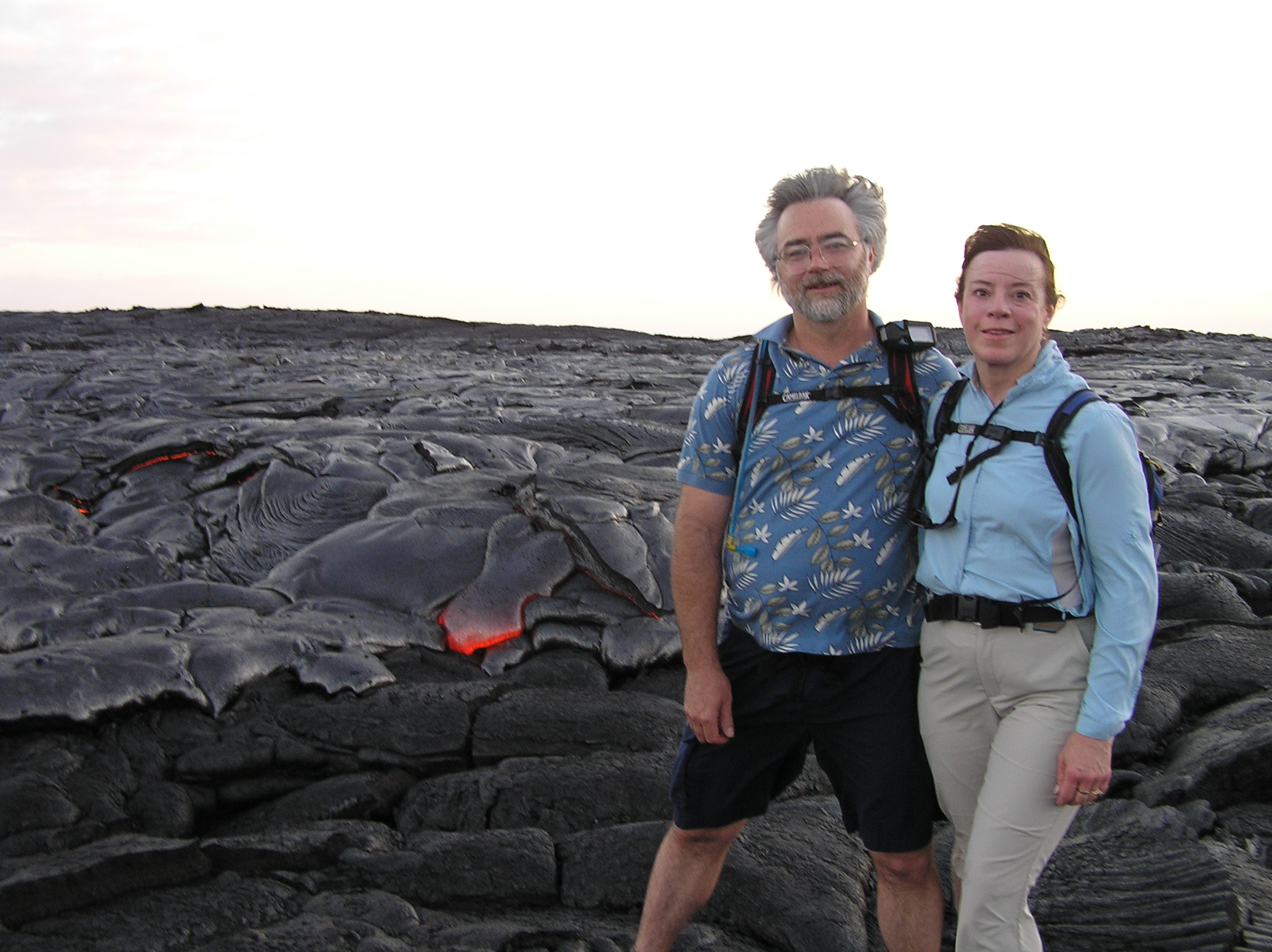
Snapshots of Japan
Village Life
Lush, lime rice fields blanket all available spaces,
bounded by tile roofs delicately curled, bullet train tracks,
vegetable patches dotted with bobbing wicker saucers
atop determined gardeners worshipping their food.
Gorge
Rivers swish furiously past stubborn rock islands,
fountains plunge into foamy life-giving ribbons,
forceful, daring to be tamed, transformed into
meals served by kneeling women wrapped like presents.
Scene in a window
Caring mother allows doll-faced daughter to gaze
bathed by moisture-rich bamboo breezes,
as obsidian locks are combed perfectly,
grooming the next feminine generation.
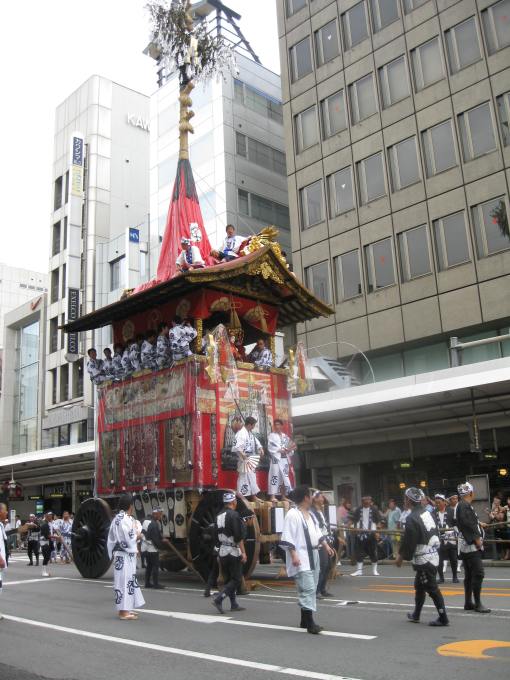
Gion Festival
Thousand year-old ritual, ten-ton wooden floats
propelled by the force of one hundred feet
creak along Kyoto streets past high-rise edifices
begging for relief from plagues.
Nara
Scurrying citizens reach stations, schools, shrines
passing sushi stands and internet cubicles,
while free-roaming sacred deer nod “kudasai”,
“please” feed me, cultivate gardens,
revere Buddha
Tokyo
Within a glittering ImperialPalace
Emperor Showa paces, only a daughter to succeed
Crucial problems persist so she must lead
Japanese will survive on precarious islands.
#gallery-41-1 { margin: auto; } #gallery-41-1 .gallery-item { float: left; margin-top: 10px; text-align: center; width: 100%; } #gallery-41-1 img { border: 2px solid #cfcfcf; } #gallery-41-1 .gallery-caption { margin-left: 0; } /* see gallery_shortcode() in wp-includes/media.php */


From Loveland to the Heartland
When an opportunity falls into your lap, just leap. A fellow writer mentioned the Prairie Writers’ Workshop a year ago.Recently I found the registration information online and made an artist’s date to go there.
Red Cloud,Nebraska, known as the home of Willa Cather, is just four hundred miles east of Loveland,Colorado,but it might as well be four thousand miles. To reach this tiny farming community of less than one thousand tough land owners, you pass fields of crops, rivers that appear flat, sand hills, drilling rigs and wind farms. Be careful not to fly past this significant crossroad, however. Red Cloud used to be hunting grounds for the Oglala Lakota tribe and is proud to honor one of their leaders. The Republican River Valley produces majestic cottonwood trees and rich farmland. Red Cloud sits on the Divide above the river at 1,716 feet above sea level.
In contrast,Loveland,Colorado is defined by the Big Thompson River, which carves its way through a dramatic chasm as it tumbles downstream fromRockyMountainNational Park.Lovelandalmost reaches 5,000 feet in elevation.
Both communities were settled by pioneers, whom Willa Cather states “should have an imagination.” It’s the Great Plains, however, that test that imagination. Willa Cather once described her feelings of returning to Red Cloud in 1913. “As we drove further and further out into the country, I felt a good deal as if we had come to the end of everything—it was a kind of erasure of personality.”
Loveland and Red Cloud pride themselves on nurturing the arts.Loveland has hundreds of sculptures displayed in two large parks as well as on numerous corners and private land.
Red Cloud has an Opera House built in 1885, a bank turned museum, and homes from the late 1800’s beautifully restored. The Willa Cather Memorial Prairie is sixty acres that have never felt the plow. Only the native plant, bird, amphibian, and reptile species can truly appreciate its value, yet I attempt to paint a picture here.
On the Prairie
I see restless rust tufts of grass hovering over invisible stalks,
I hear swallows, red-winged blackbirds, sandpipers, and finches
whistling and shrieking like an orchestra of piccolos,
I taste the bitterness of land, once a beloved home of native beings,
I smell the ancient dust mingled with the swirling grit of an approaching storm,
I feel protected from the burning sun by the caress of dependable breezes.


The Tippy Top of the Mountain
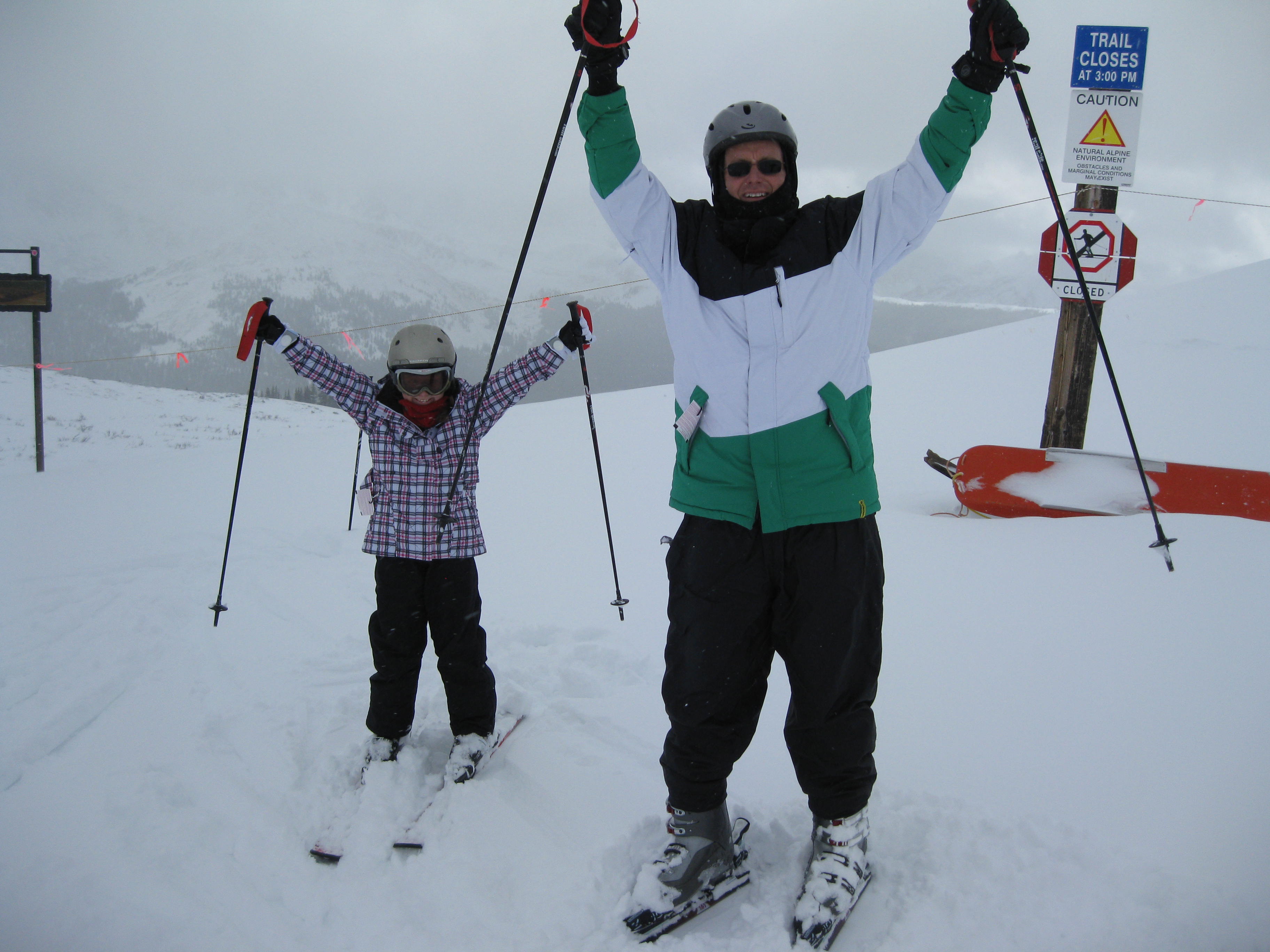 What draws us upward into the snowclouds? What do humans find at 12,400 feet above sea level in the middle of winter? Wind-whipped tundra, pure thin air, the sight of the Mosquito Range glittering like a Christmas card, and the dream of gliding for miles over crystals of frozen droplets.
These beginning skiers will always know that they earned the thrill of swishing over snowfields like half-man and half-bird. The thrill resides in the fibers of their being.
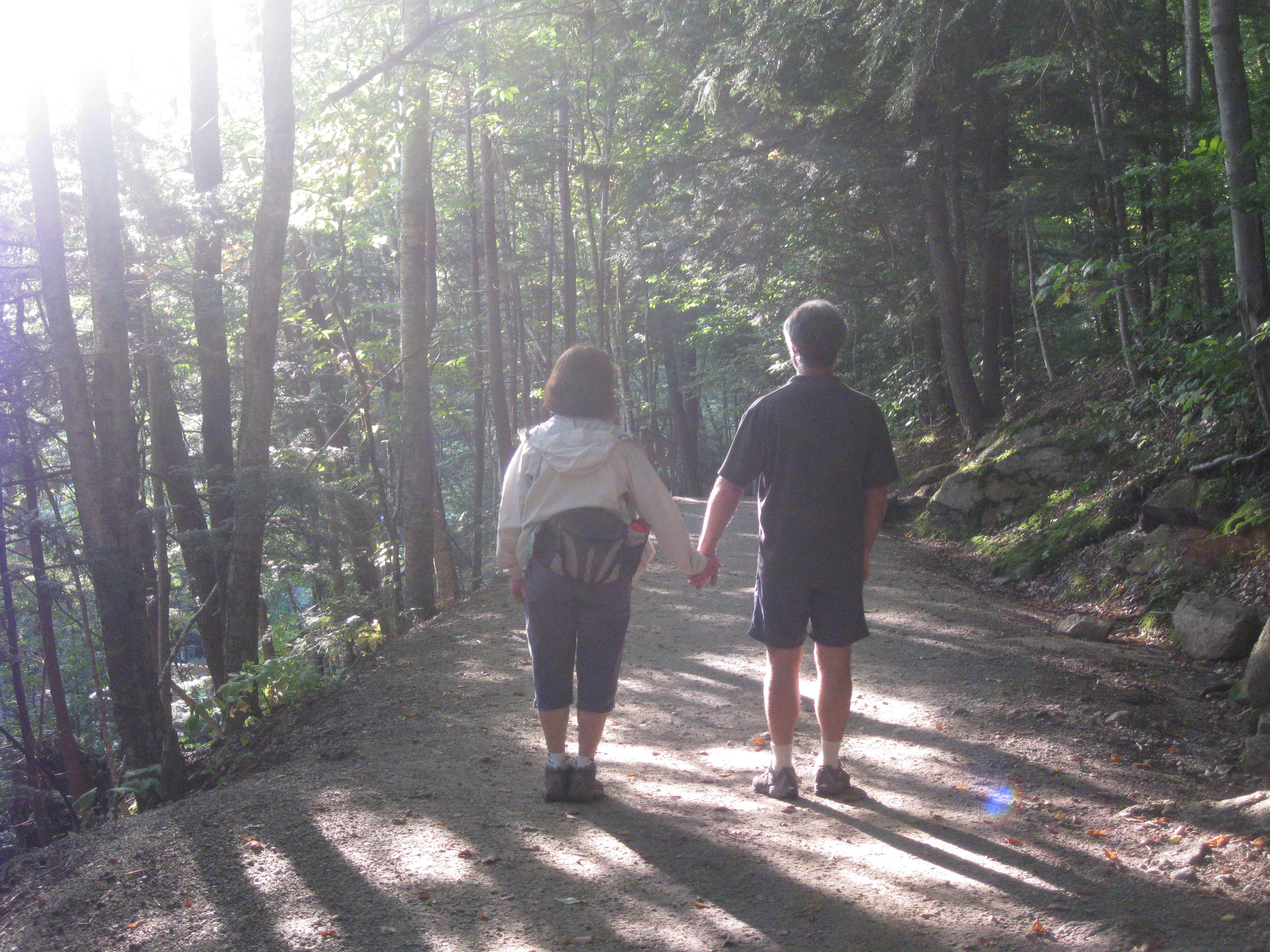
My journey to New England coincided with the 2011 Autumnal Equinox and was punctuated by awareness. Although I lived in the Adirondack Park in Saranac Lake,New York when I began my teaching career, I never understood the scope of my environment. It is the largest park of any natural area in the lower 48 states. The thousands of lakes and ponds which cover the landscape remind you that floating can be more sensible than climbing. On a sunny summer day there are endless reasons to be immersed in a lake, one being; that’s where the views are.
Both the Adirondack Mountains and the nearby Appalachian Mountains are overflowing with trees. From the air, mountains are evergreen globes. From the trail, views are limited to portholes. Trees such as the yellow birch have such tenacious roots that they hug man-sized boulders and support trunks that date back to the earliest white settlers. White-washed colonial villages, fruit trees dripping with apples, prolific wildlife, from muskrats to moose, loose birch bark masquerading as logs, and hearty cabin dwellers all make me wonder what century this is.
My current life in the Rocky Mountains contrasts sharply. Views are easy to find, since trees grow so sparsely and peaks often poke well above timberline. In the Rockies, sightseers, bikers, hikers, and skiers find empowering vistas around every switchback. Even on days when snowflakes litter the air, we strap gear on our backs and climb steep paths to reach the top step in the stairway to the upper atmosphere. Views in the Rockies allow you to see your current place as well as geological history.
I was slapped with another lesson in awareness on my September sojourn. While rolling across Maine on my lightweight 30-speed bicycle, a bike pump dangled from my down tube and suddenly stopped my front wheel. I now understand what boxers refer to as seeing stars. Lying on my back with damaged front teeth and a fractured hand, I searched the sky for a savior. She arrived in the form of a Camden EMT. Eight weeks later, I’m almost healed and have a heightened understanding of the places a journey can take you.
 journeyswithjosie