Category Archives: Uncategorized

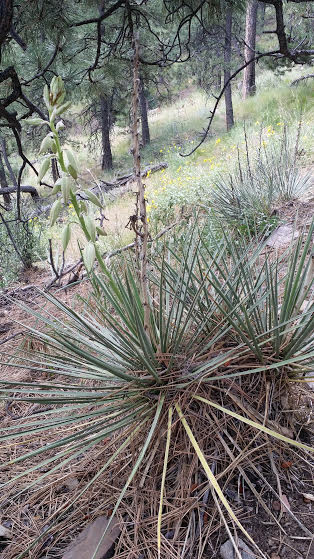
Yucca, soapweed or Spanish bayonet

photo of yucca plant
This plant grows in sunny places all over Colorado. It was important to the Indians because its sturdy leaves were woven to make sandals, mats and baskets. The sharp tips and strong fibers were also useful for piercing meat and hanging it to dry.

When rubbed with water, yucca roots make soap and shampoo. Native Americans bathed often in streams and always prepared for ceremonies by cleaning thoroughly with soapweed or yucca roots.

Yucca seeds served as a mild laxative when early people needed to clear their digestive system. The fruit was harvested and eaten by Ute Indians.

Dried yucca leaves have fibers which ignite easily. They were saved for fire starters when Indians were dependent on friction between sticks and rocks.

The next time you swat at an annoying Pronuba moth remember that yucca plants can only be pollinated by this insect while its cream-colored flowers are in bloom.
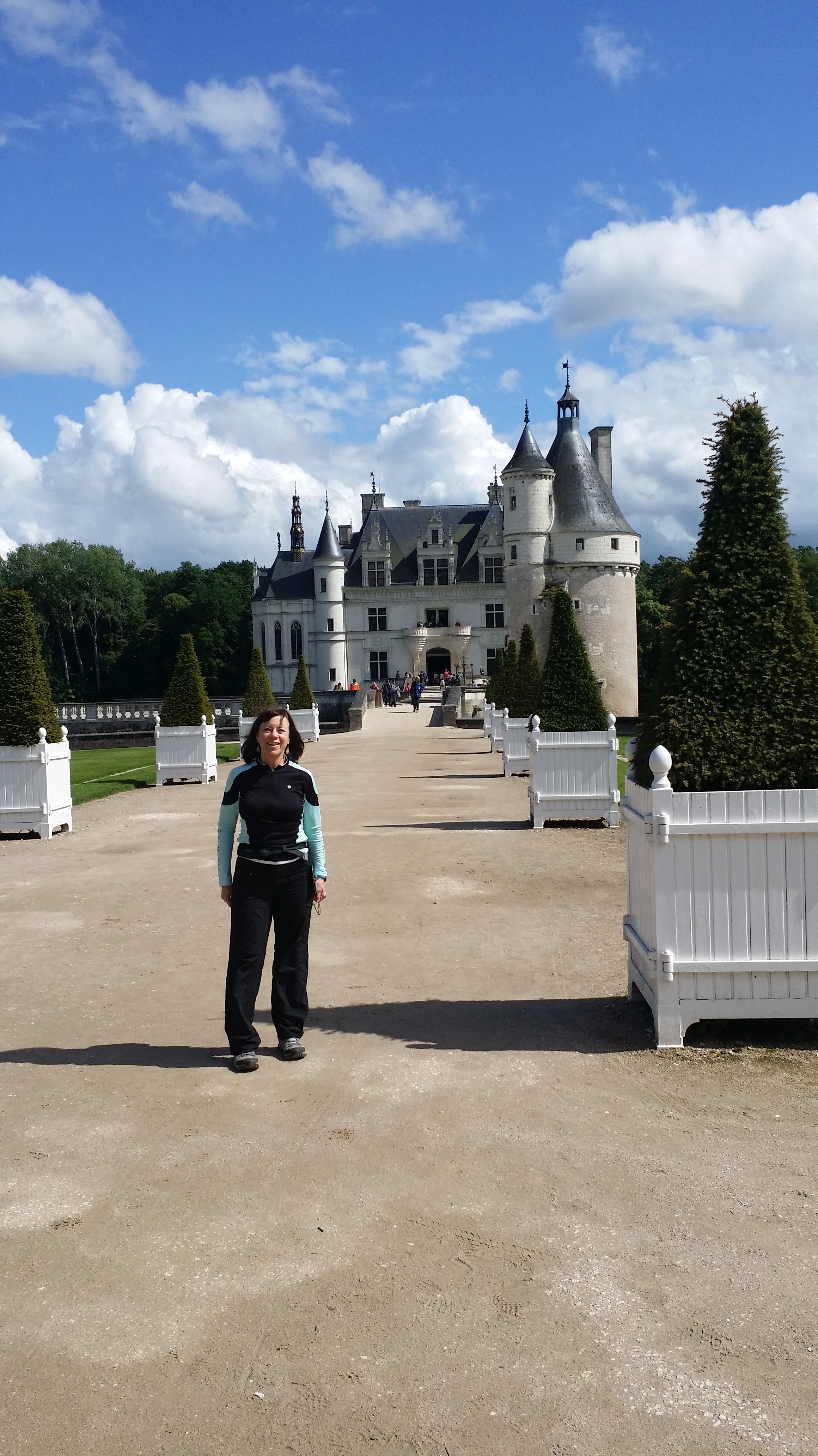
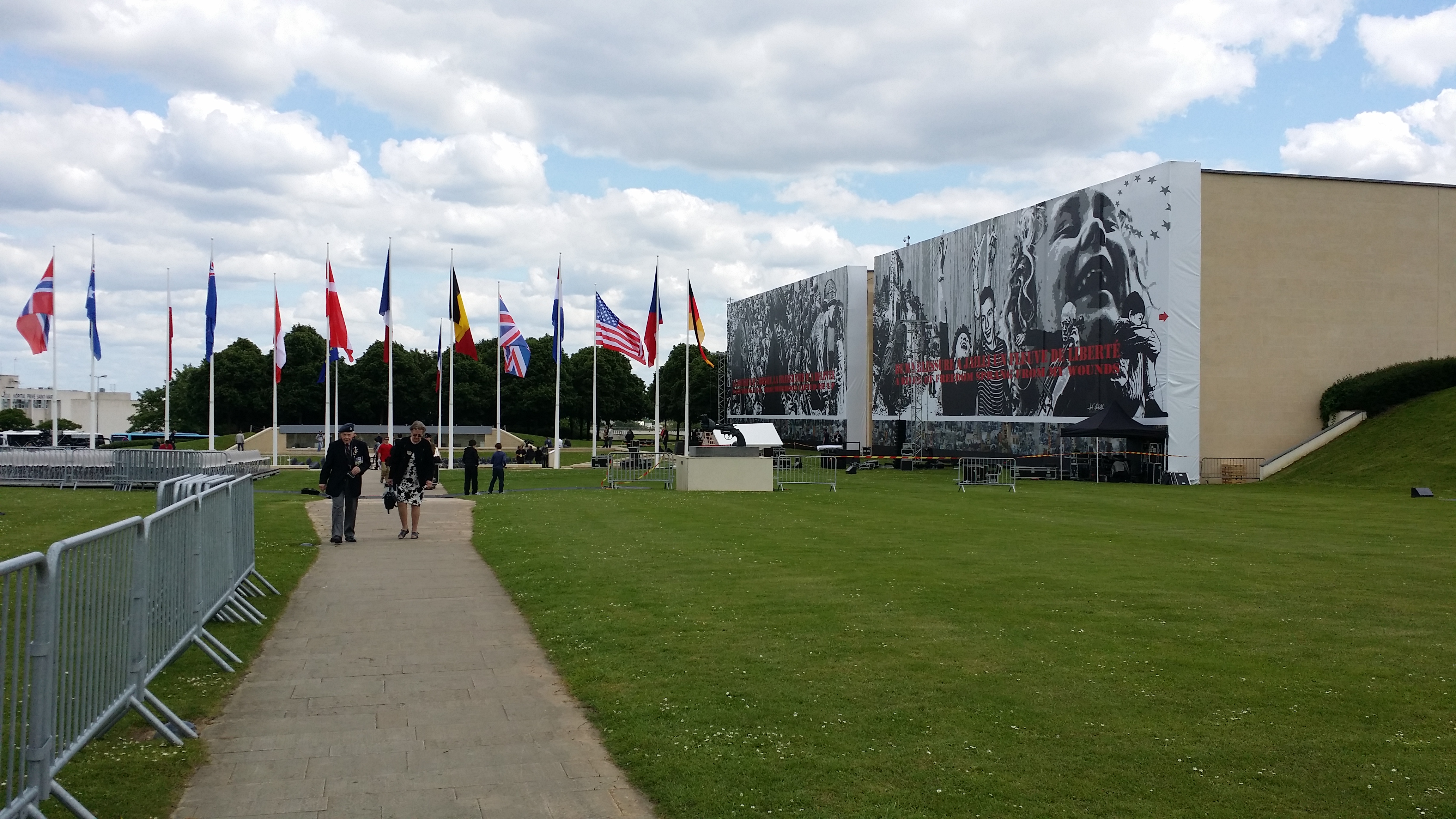
20140605_152419What do a 16th Century castle and a 20th Century War Museum have in common? In both of these French locations, WWI- The Great War, was a catalyst for drastic changes in the economies and political beliefs of countries with power.

Although Chateaux Chenonceau on the River Cher was built to house the king and queen of France, it was converted into a hospital from 1914-1918. The owner, Simone Menier, transformed every room into a treatment center at her family’s expense and tended over 2000 wounded. From 1939-1945, she also courageously carried out numerous acts of resistance, helping refugees escape while German guns were aimed at her castle.

The Museum for Peace in Caen, France is a vivid reminder of the economic and political factors which stemmed from WWI and led to WWII. Seventy years ago, on June 6, 1944, eight thousand Allied troops swarmed Normandy by boat, parachute and plane. The Germans were heavily fortified. Two thousand American soldiers died in the four-day battle.

These historical sites remind us that heroes are real people in extraordinary circumstaces.

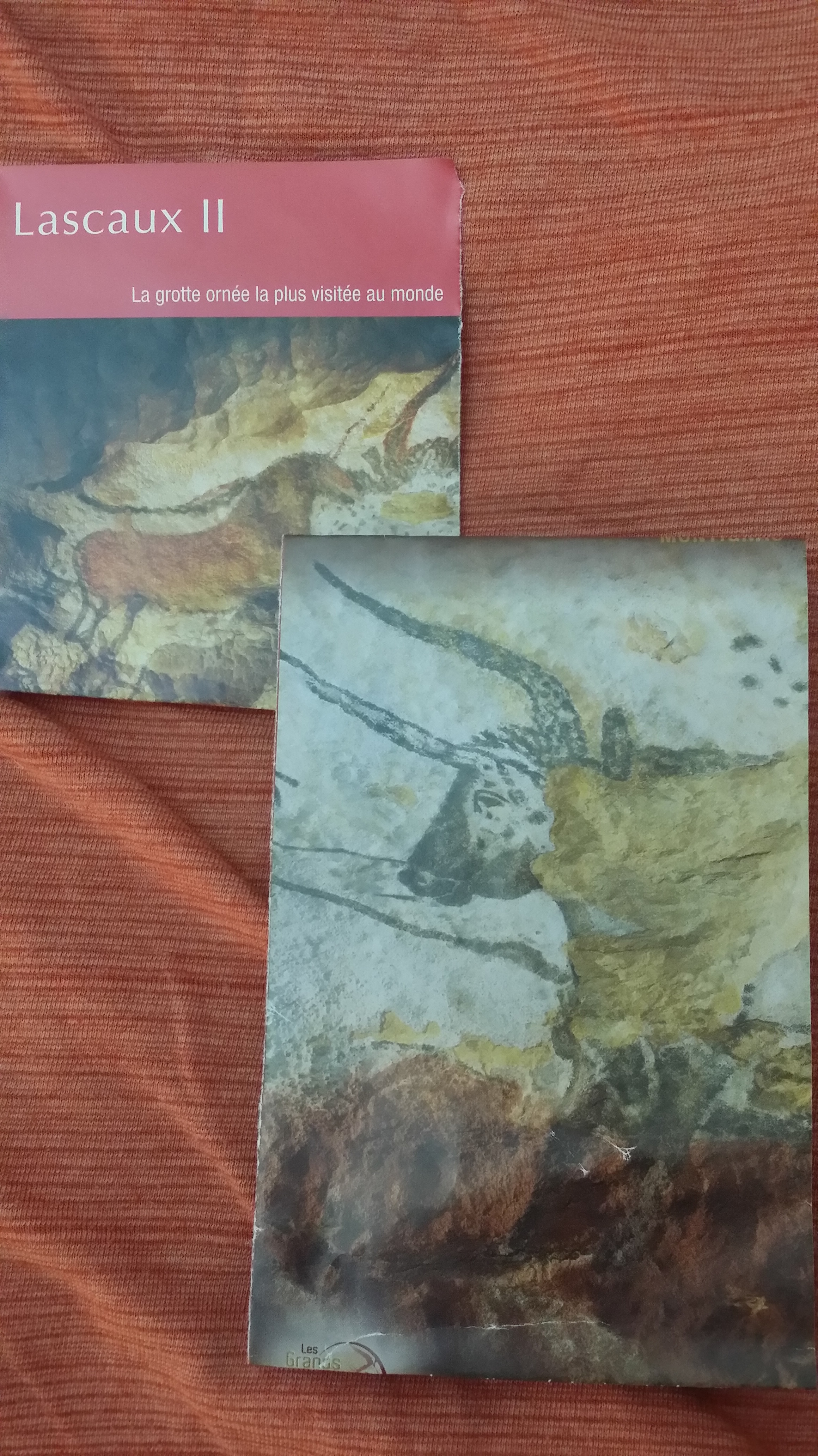
Never underestimate what four teenage boys, exploring the forest can discover. In 1940 a dog stumbled into a hole near Montignac in Southwest France. These young explorers dug their pet out, then continued to clear dirt and rocks away to reveal a cave with six hundred perfectly preserved paintings on the walls and ceiling. Research continues into the tools, plants and animals the Cro-Magnon

people used 17,000 years ago.

Today you can take a tour of an exact underground replica of this sophisticated art, sometimes called the Sistine Chapel of Prehistoric Man. Our guides pointed out the perspective, details and motion created by clever use of the natural rock relief. Lascaux horses, goats, bison, cows, wild ox, bear, red deer, ibix, wooly mammoth and wooly rhinoceros come alive.

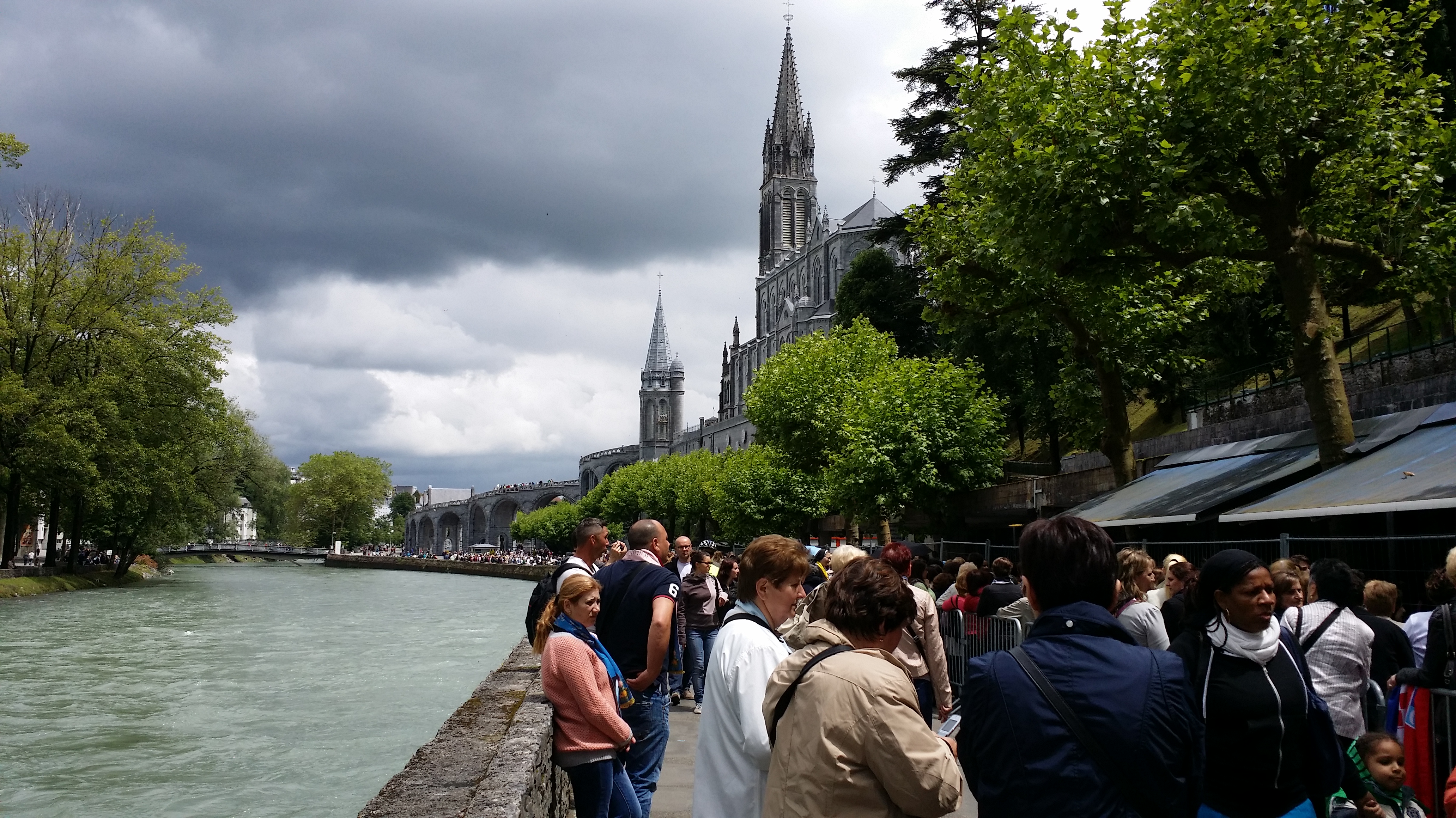
Seeing the grotto where St. Bernadette was graced with eighteen visions of the Virgin Mary is a gift. Not only was I speechless at the first sight of the extraordinary church built above the shrine, but I was moved by the sincere faces and songs of the Catholic pilgrims. This site is as sacred as Jerusalem, Mecca and the Ganges. More than five million people visit each year, many of whom are searching for a cure.

Swept along with hundreds of wheelchairs, candles and banners, I also asked that all people have a life of health and happiness.

While riding my bike back to our French inn, the hills felt easier to ascend and opportunities to see the world more precious.

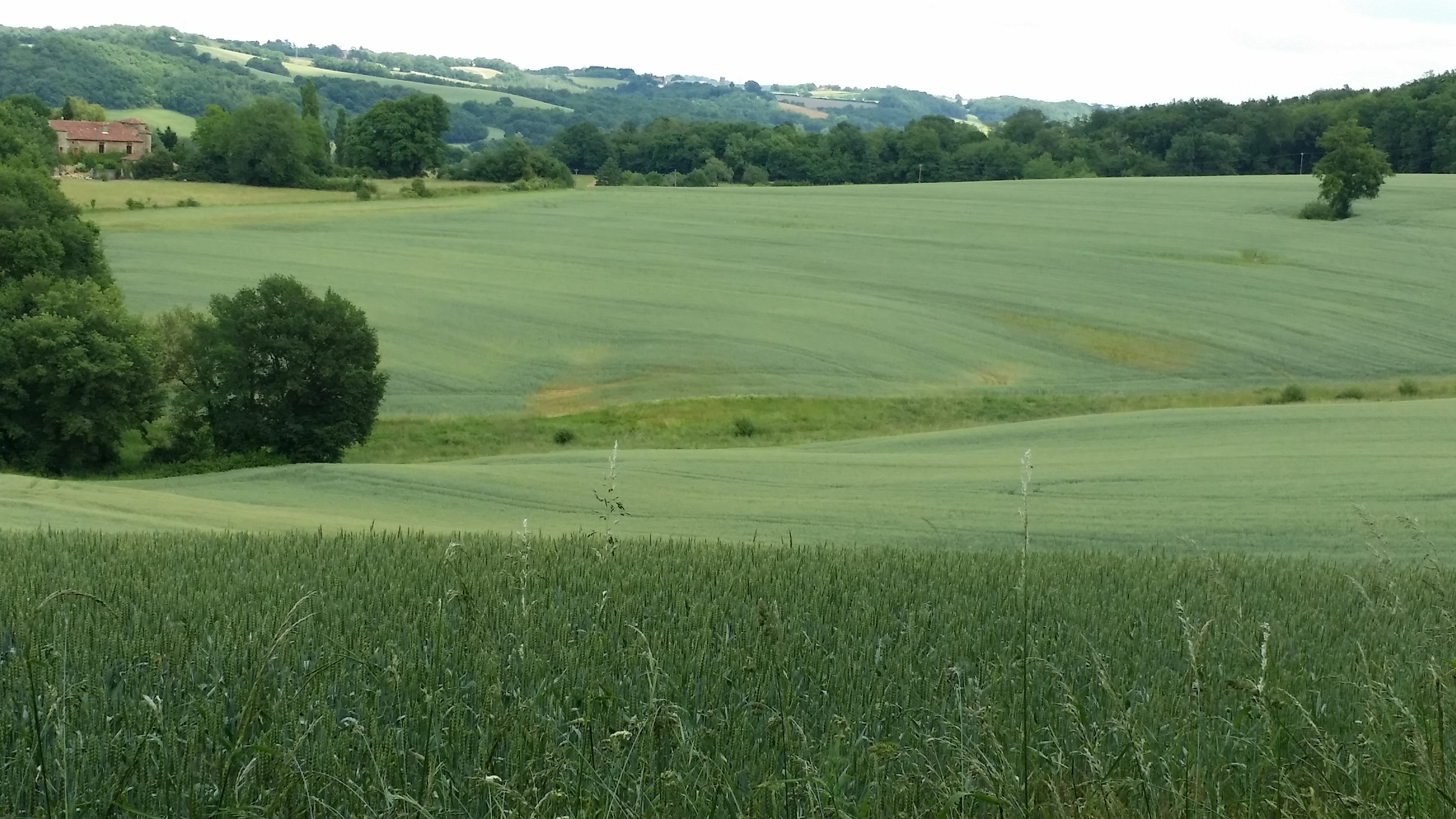
This area is also known as Gascony. While cycling from Thuy to Marciac, we passed vineyards, orchards and fields of grain. Animals and plants thrive due to twenty rivers which originate in the High Pyrenees. Farmers specialize in garlic, goose fat, chestnuts, plums and foie gras.

Historically, the residents remain self – confident despite centuries of domination by Romans, English, French and the European Union’s Common Agricultural Policy. The fictional character, D’Artagnan, from The Three Musketeers by Alexandre Dumas, was loosely based on a man born in the region in 1611. He remains an international hero due to books and over 50 films about his adventures.

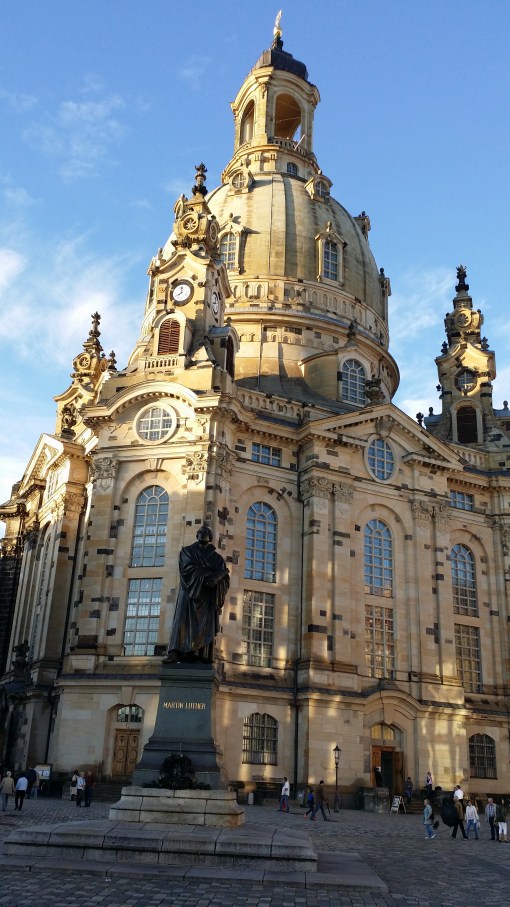
Frauenkirche, Dresden, Germany

The Lutheran Frauenkirche was destroyed during the four bombing raids on Dresden’s city center in 1945. It was still in ruins as of 1991. It took an international campaign and seven years before it was consecrated in 2005.

Dresden was once called the Florence of the Elbe. Reconstruction of the Zwinger Palace and museums continues.

We ended a ten-day bike ride here and were inspired by this elegant Baroque church and statue of Martin Luther. We are reminded that healing from WWII is slow.

The Brothers Grimm

The German brothers, Wilhelm and Jacob Grimm, were poor as youngsters. Later they studied folklore and published stories such as Cinderella, Snow White and Hansel and Gretel between 1812 and 1857.

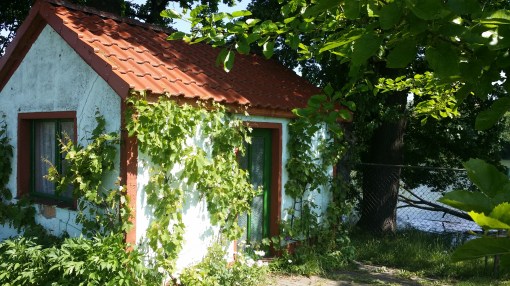
I spied this cottage near Torgau, Germany and wondered about who has lived there.

Did your favorite folk/fairytale s leave a message for you? Since I have often been lost, I’ve wished for that clever Hansel’s trail of bread crumbs. Eventually I learned the hard way, awareness is the key.

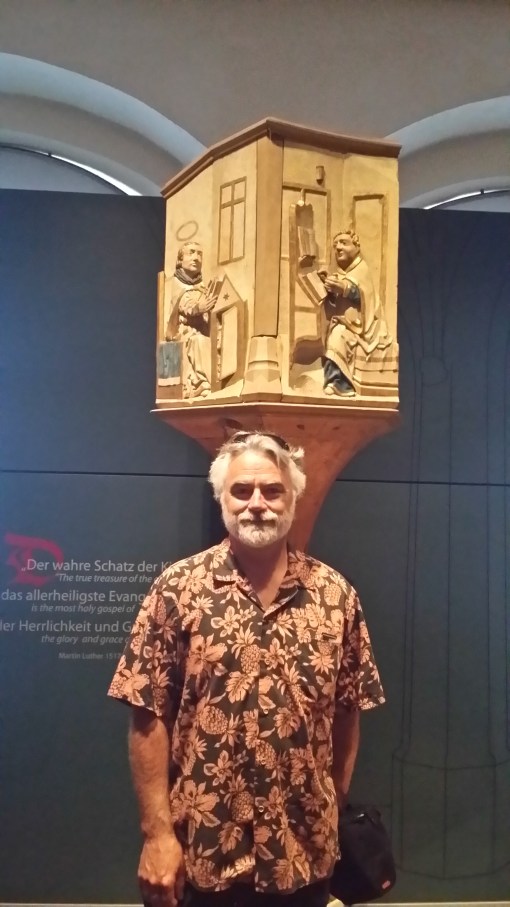
Martin Luther ' s Pulpit

Lutherstadt Wittenberg , Germany is the home of four UNESCO sites which honor the work of Martin Luther. The two churches, Castle Church and St. Marien Parish Church, are being restored in preparation for the five hundred year anniversary of Martin Luther’s posting of his ninety five thesis or reforms.
Lutherhaus is a museum displaying his actual home and the manner in which his words spread across Europe. This wooden pulpit is
where he began preaching against indulgences.
At a time when only 10 % of the population was literate he had a talent for making his written words sound like a sermon.

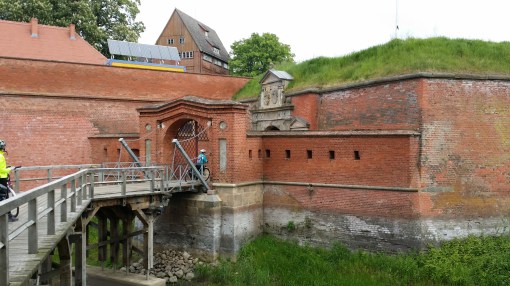
Restored Castle in Lenzen, Germany

It’s easy to imagine life eight hundred years ago as you walk over the drawbridge and pass through the giant doors of the museum along the Elbe River in Northern Germany. Travelling by bicycle, we appreciate the slow pace of life still experienced in towns such as Domitz and Hitzacker, Germany. The half – timbered homes and creative landscaping heighten your imagination. Elves do appear among the flora.