Category Archives: Uncategorized

Seeking Peace

Seeking Peace Across the Atlantic

            The sign welcoming tourists to The Kinsale 9/11 Garden of Remembrance was concise and unremarkable. As we strolled through the forest of memorial trees, however, grief grabbed my mind and heart. Since our tour guide simply dropped our group of six Americans off at this site in the extreme southeast tip of County Cork, Ireland, we wondered why it was not on our original itinerary. The effect on the world of these 343 firemen who died while attempting to rescue people who were trying to escape collapsing buildings was not immediately felt. How could a traveler such as myself, absorb what this memorial meant to the people who created and maintained it?

            Kathleen Cait Murphy immigrated to New York City thirty years before September 11, 2001. She worked at Lennox Hill Hospital in Manhattan and came to admire the many people like herself who were descendants of Irish citizens hoping to make a good living. She never married, but always kept in touch with her dozens of nieces and nephews in Kinsale, Ireland through weekly phone calls. When disaster struck, she was on duty and discovered how few people were able to be saved. Subsequently, on her days off she volunteered at Ground Zero. She was in shock when she saw lists of the dead firemen with Irish surnames. One in particular, Fr. Michael Judge, was a close friend who had died while administering last rites to a man.

            Kathleen returned to her family in Ringfinnan, near Kinsale and designated one acre of land overlooking St. George’s Channel to a 9/11memorial.  She used her savings and the goodwill of friends and family to plant 343 sycamores and oaks. Each tree supported a bold sign with the name of a firefighter who died at the Twin Towers collapse. She was 56 years-old knowing she had the will and resources to produce a place of peace honoring the bravery of those who died saving others. However, she did not know how limited her time was. Kathleen died of ovarian cancer six months before the 10-Year ceremony remembering these heroes. She was peaceful knowing her nephew would care for her trees.

            As we wandered the mature forest which grew during the last thirty four years, my throat was tight and my eyes overflowed. One woman reached out to any person who was fortunate to survive and spend time in a stunning place remembering that every life matters.

            For further information search: https://www.nytimes.com “The 343 Reasons a Small Town in Ireland Mourns on September 11th.”

Camp Fire Girls

My fascination with indigenous culture began when I joined a neighborhood club known as the Camp Fire Girls. Young members began as Blue Birds. The photo reveals my uniform which I proudly wore to school on meeting days. We each contributed ten cents for dues. Our club’s goals were to learn the Camp Fire pledge, participate in outdoor activities and develop strong relationships. Greater inclusivity was a national goal, although our middle-class neighborhood was not an area openly affected by the U.S. Supreme Court decision in 1954, which declared school segregation unconstitutional.

            Once we graduated to full-fledged Camp Fire Girls, my sisters and I started saving our money to pay for a one-week stay at summer camp. Many of camps and were known by their indigenous names, which intrigued us.

            My only experience at Camp Talooli summer camp was uncomfortable. I suffered from hay fever and had trouble sleeping in the rustic cabin with lumpy bunk beds. The food was unusual, thick oatmeal for breakfast, mystery meat like spam or baloney sandwiches for lunch and hot dogs and baked beans for dinner. I still avoid some of the food I hated at camp.

All of our activities were outdoors. I was peppered with mosquito bites and could not find any relief from the itching at the infirmary. Naturally, the bathrooms were outhouses which I tried to avoid, leading to wet pajamas. That was it, I used some of my snack money to call my mother and demand that she come and rescue me. She refused saying I should talk to my older sister and solve my problems. At that point I cried, “It’s my money and I want to come home.”

My mother’s response, “We will pick you up at the end of the week.”

In the historical fiction novel I wrote, Sun on Snow, the Northern Ute clan gathered each morning and evening around a campfire for food, praise of Mother Earth, dramatizations of past adventures and solutions for tribal issues. Campfires are still a strong symbol of health, safety and community well-being. A crackling fire encourages communication, warmth and the comfort of a full belly. In literature and natural environments a campfire heals, offers safety and enlivens spiritual beliefs.

Which childhood activities shaped your path?

My fascination with indigenous culture began when I joined a neighborhood club known as the Camp Fire Girls. Young members began as Blue Birds. The photo reveals my uniform which I proudly wore to school on meeting days. We each contributed ten cents for dues. Our club’s goals were to learn the Camp Fire pledge, participate in outdoor activities and develop strong relationships. Greater inclusivity was a national goal, although our middle-class neighborhood was not an area openly affected by the U.S. Supreme Court decision in 1954, which declared school segregation unconstitutional.

            Once we graduated to full-fledged Camp Fire Girls, my sisters and I started saving our money to pay for a one-week stay at summer camp. Many of camps and were known by their indigenous names, which intrigued us.

            My only experience at Camp Talooli summer camp was uncomfortable. I suffered from hay fever and had trouble sleeping in the rustic cabin with lumpy bunk beds. The food was unusual, thick oatmeal for breakfast, mystery meat like spam or baloney sandwiches for lunch and hot dogs and baked beans for dinner. I still avoid some of the food I hated at camp.

All of our activities were outdoors. I was peppered with mosquito bites and could not find any relief from the itching at the infirmary. Naturally, the bathrooms were outhouses which I tried to avoid, leading to wet pajamas. That was it, I used some of my snack money to call my mother and demand that she come and rescue me. She refused saying I should talk to my older sister and solve my problems. At that point I cried, “It’s my money and I want to come home.”

My mother’s response, “We will pick you up at the end of the week.”

In the historical fiction novel I wrote, Sun on Snow, the Northern Ute clan gathered each morning and evening around a campfire for food, praise of Mother Earth, dramatizations of past adventures and solutions for tribal issues. Campfires are still a strong symbol of health, safety and community well-being. A crackling fire encourages communication, warmth and the comfort of a full belly. In literature and natural environments a campfire heals, offers safety and enlivens spiritual beliefs.

Which childhood activities shaped your path?

First Grade

Did Her Name Determine Her Life?

Did Her Name Define Her Life’s Goals?

Why would a middle-aged gentlewoman from England set off alone to scale the backbone of the United States? After reading her account of the trip she took to a “Nameless Region of the Rocky Mountains” in 1873, I wondered how she developed such curiosity about far-away people and places.

Born in Yorkshire, England in 1831, Isabella Bird’s, father, an Anglican clergyman, was concerned about her health and recommended a sea voyage. Therefore, in her twenties she sailed to Prince Edward Island in Canada. Returning to Great Britain, she moved to the West Highlands of Scotland.  Still hoping to improve her fitness, she sailed to Hawaii in her 40’s. Continuing on to the West Coast of America, she traveled by train to the Colorado Territory where she developed a fascination with the beauty of Estes Park and the views of Longs Peak. Her letters to her sister, Henrietta, were so impressive that they became the nonfiction book, A Lady’s Life in the Rocky Mountains.

A rugged pioneer, with a reputation for fighting, “Mountain Jim”, agreed to escort her to the summit of Longs Peak, which is 14,259’ above sea level. They rode horses, loaded with three days of supplies to the Notch, which was above tree line and gave them an astonishing view of the surrounding mountains and valleys. From there they hiked across the boulder field. Isabella later admitted, “Had I known that the ascent was a real mountaineering feat, I should not have felt the slightest ambition to perform it.” Crossing loose rock and ice, they ascended 2,000 feet to the exposed ledge which led to the final climb. The terrain was so precarious that Isabella had to be roped to Jim. Although she admitted to exhaustion, thirst and fear of death, they continued. The final 500 foot climb required them to stop every few steps to catch their breath.

Once on the summit, Isabella was impressed with unrivalled views and sheer drop-offs in every direction. After writing their names and dates in a tin can, they started their descent. Isabella was so exhausted when her frock caught on a rock, requiring Jim to cut the cloth to free her. She fell into a crevice full of snow and had to crawl on hands and knees until Jim could pull her up by her arms and a rope. When they finally reached the campsite where their horses were being tended, Jim insisted that they spend the night before riding down the steep trail through dense forests. Isabelle concluded, “Let no practical mountaineer be allured by my description into the ascent of Longs Peak, truly terrible as it was to me.”

I do wonder if Isabella Bird was born with more courage than most women of her time, or did she develop it during this extraordinary feat. Also, did she have any idea that the first man known to reach the summit was John Wesley Powell in 1868? The only woman to make the climb before Isabella Bird was Addie Alexander in 1871.

In my fictional account of indigenous people who existed in North America since 8,000 years B.C., there is evidence that some tribes climbed the Rocky Mountains in order to find eagle feathers, and hunted big game with the assistance of rock walls and hunting blinds. Since the earliest people were likely to have been the first to stand at the top of Longs Peak, we must depend on archeologists to find proof of their triumph.

Currently, visitors to Estes Park can choose to dine at Bird and Jim’s Restaurant located at 915 Moraine Ave. While eating locally sourced, healthy meals you can contemplate the life of this female explorer. I believe her name and intense curiosity, prompted her adventures.

Is there a daring trip in your future?

Who Discovered Colorado?

Long before history books defined the land we call Colorado, nomadic people now known as Ute, Shoshoni, Cheyenne and Arapaho lived in the West. They had no permanent settlements since their survival depended on hunting and gathering. Their culture was influenced by the buffalo, specifically the American bison. These people, accepted as aboriginal North Americans, lived between Alaska and Mexico. Among them, the Northern Utes hunted the valleys and plateaus of Western Colorado. Although the earliest people did not have a written language, their rock art revealed hunting and survival skills. Evidence of hunting walls, teepee rings and stone tools have been found throughout Western Colorado.

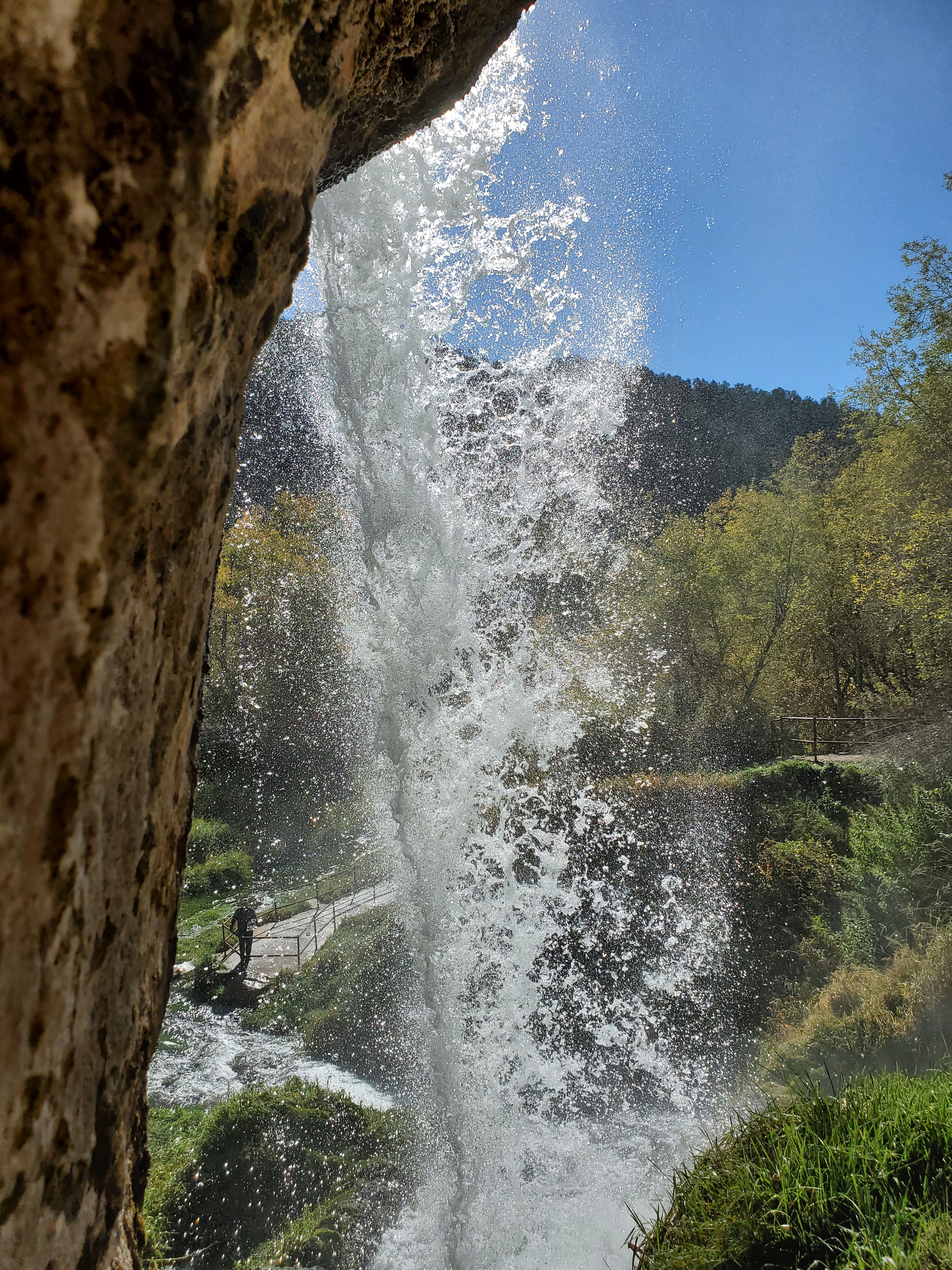
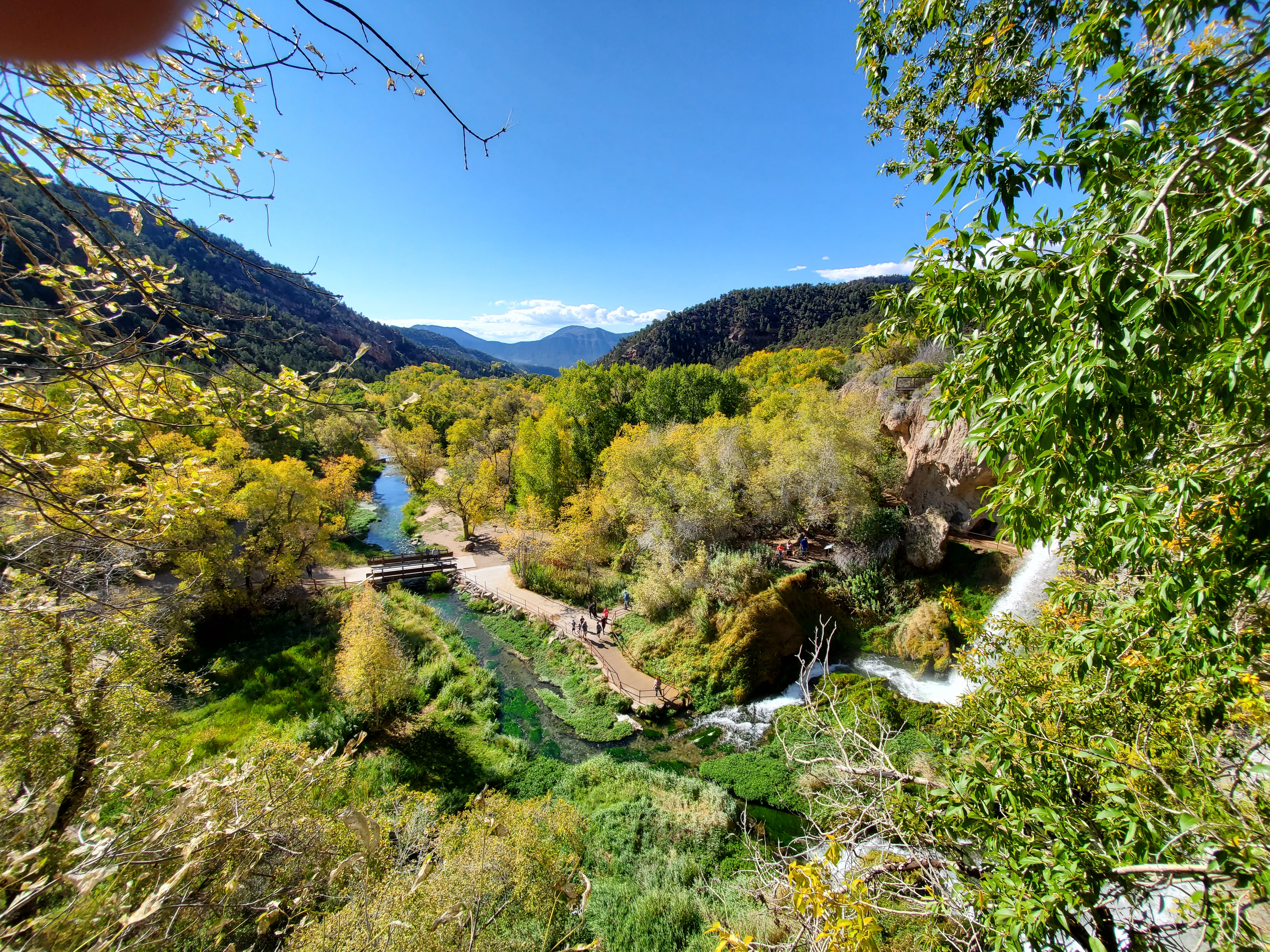
One of the early settlers, James Watson, created the Rifle Falls Ranch in 1884, charging admission for viewing the waterfalls and caves. In 1890 Allen Zerber developed a resort at Rifle Falls. Eventually a hotel opened for business in 1904 on East Rifle Creek. The area became known for more than its natural wonders. In 1910, local residents built the Rifle Hydroelectric Plant, which was one of the first in Colorado.  

Today Rifle Falls State Park continues to change the landscape and intrigue visitors with its triple waterfalls and slice of a tropical paradise.

Go Forth and Explore

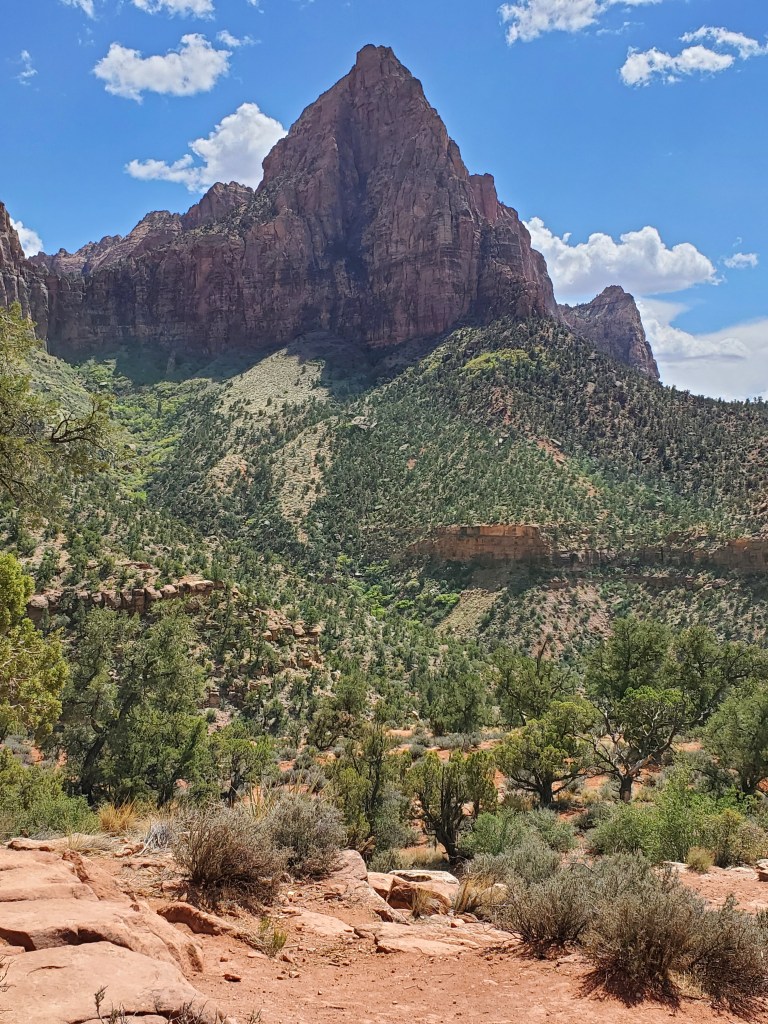
The Watchman

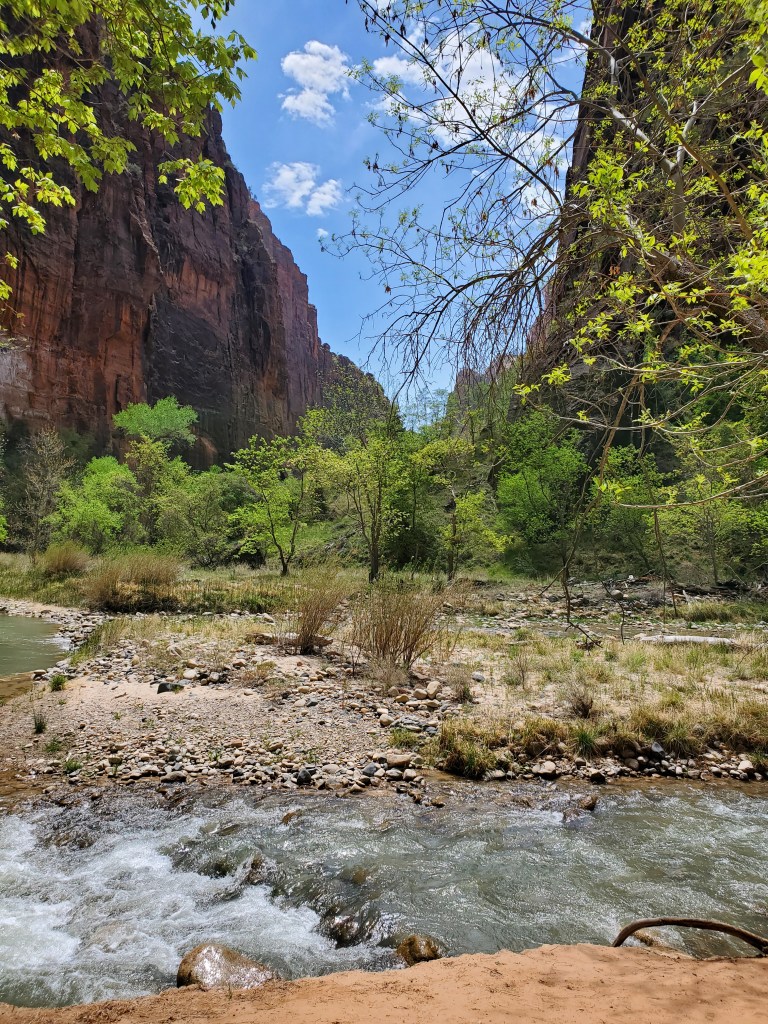
The Virgin River enters The Narrows

Zion National Park is among the top four most-visited US Parks. Who first discovered the dramatic canyons, plateaus, petrified dunes and towers? Its name was borrowed from the Jewish people who called their homeland, Sion.  Mormon settlers rewrote the name as Zion meaning “promised land” or home of “the righteous”.

Fossils provide evidence that early people hunted prehistoric mammoths, camels and other mammals. Eventually, however, the climate changed worldwide, animals were over-hunted and cave men and women were unable to survive. Prehistoric animals died out 8,000 years ago.

Centuries later Ancestral Puebloans developed skills as farmers and adapted to life in the canyons of the Southwest by hunting smaller animals. These people are often referred to as Anasazi. They became adept at building cliff dwellings, weaving sturdy baskets and protecting their homes from invaders. They moved away by 1300 AD, but their history is still a mystery today.

Southern Paiute people and Ute clans, moved into the canyons. Storage jars with dried corn intact have been found which are over 1,000 years old. There is evidence of trading with other indigenous people. We now know that these tribes preferred a nomadic lifestyle, moving with seasonal weather changes and food supplies.

Indigenous people weren’t the only settlers drawn to this remote canyon. Mormon pioneers were intrepid explorers. In the early 1860’s some settled in Zion as well as on the 5,000 – 7,000 foot high rim of the Colorado Plateau, planting trees and using terraces which allowed them to take advantage of longer growing seasons. However, they were not always able to predict flash floods, fires and massive landslides. The Mormons also had to move on.

If you are able to travel to Southwestern Utah, as well as gaining entry to Zion National Park today, you will be rewarded with wildlife such as: pinon mice, rare tree frogs, desert tortoise, elk, eagles, California condors and peregrine falcons. Campers, cyclists and hikers will not tire of the hanging gardens, waterfalls, and slot canyons. Although it only rains about 15 inches a year, the Virgin River continues to shape the sandstone and shale formations into arches, checkerboard mountains, balanced rocks and towers. One popular feature is The Narrows, a canyon which is only twenty feet wide. Tourists use tall hiking poles and flotation devices to wade through the dramatic river bottom.

The scenic 6-mile drive in Zion Canyon requires reservations on a shuttle during spring, summer and fall. Call or reserve online well in advance. If you are unable to secure a free ticket, you can ride bikes, but beware, the two-lane road is difficult. Once you reserve a shuttle ticket online, go to the Visitors’ Center to board your hop-on, hop-off bus on the scenic road.  Nearby Kolob Canyon provides an accessible area with far fewer people. We were surprised to discover sensational views and hikes in the Kolob Canyon area of Zion N. P. An entrance fee is required, but you can drive directly to trailheads and scenic overlooks. 

For more information call (435) 772-3256 or log on to nps.gov/zion.

An Unvarnished View of Plymouth Plantation

          When Samuel Champlain, a French explorer, stopped at Plymouth in 1605, he discovered The People of the First Light, or Eastern People or People of the Dawn, who are now known as the Wampanoag. These Algonquin-speaking indigenous people had thrived on Cape Cod for over 10,000 years. He drew a map of their settlement and recorded there were between 1,000 and 2,000 Indians living in wigwams. They had fields of corn, beans and squash growing nearby. Champlain observed them using canoes built from dugout pine trees to fish for bluefish, striped bass and lobsters. There were mud flats rich with clams. Their territory included southeastern Massachusetts, Cape Cod, Nantucket, Martha’s Vineyard and the northeastern corner of Rhode Island.

          Once 102 passengers on the Mayflower finally found a suitable site in November of 1620 all that remained of the original people were scattered human bones and skulls. William Bradford, who became the second governor of Plymouth Colony, wrote, “a very sad spectacle to behold.” It was not clear which disease had ravaged their tribe between 1616 and 1619 but subsequent epidemics in Massachusetts wiped out villages and frightened survivors away.

          One of the survivors was Squanto. He had been kidnapped in 1616 by Thomas Hunt, an English explorer, and taken to Spain. Spanish monks bought Squanto and educated him while also converting him to their religion. Eventually, Squanto traveled to England and found passage to Cape Cod in 1619. 

William Bradford depended heavily on Squanto’s translation skills and ability to reveal trails to thriving Wampanoag encampments. It was he who taught the Mayflower immigrants how to plant vegetables which grow in the cool, wet climate of Plymouth. He also guided a group of Pilgrims along the coast so they could begin trading. Squanto lived with the Pilgrims for twenty months. Unfortunately, Squanto contracted a disease Bradford called “Indian fever” in 1622. Bradford was with him when he died and recorded what a “great loss” he felt.

           But Squanto’s story is just one piece of American history. As more European’s arrived on the northeastern coast of New England, many lives of Native People were destroyed. In 1675, during King Phillips War, over 40% of the Wampanoag population was killed and many men were sold into slavery.

 Between 1904 and 1916 Mashpee Wampanoag children were sent to the Carlisle Indian School in Pennsylvania, so they could become more like the immigrants of the twentieth century. The children of many tribes were mingled and not allowed to speak their native languages. Eventually, the Mashpee Wampanoag Tribe was able to establish their own school and teach their native language and customs.

          Today the Mashpee Wampanoag Tribe is at risk of losing another portion of their original homeland which has been a legal reservation. The Bureau of Indian Affairs under the US Department of the Interior, is threatening to take away their legal rights to control their land. On March 27, 2020, the Trump administration declared it would remove over 300 acres of Mashpee Wampanoag land as well as take away their reservation status. For current information about the struggle to save their land go to:

https://mashpeewampanoagtribe-nsn.gov/

          Are you surprised that Squanto chose to become an advisor to the English settlers? I will explore this topic further in Journeys with Josie and in my personal memoir which will be published in 2021.

 Additional resources include: https://carlisleindianschool.org/

Mayflower by Nathaniel Philbrick

Mayflower Quarterly Magazine, Volume 87, No. 2, pp.30-31 Wampanoag Homesite at Plimoth Plantation by Susan E. Roser, ed.

I Wanted to Fly

In 1964, sending humans to the moon was a romantic lyric crooned by Frank Sinatra. President John F. Kennedy had given a speech in 1962, urging the United States to become an international leader in space exploration. JFK stated, “We choose to go to the moon in this decade and do the other things, not because they are easy, but because they are hard.” He visited the Cape Canaveral Air Force Station twice before he was assassinated in 1963. I was hooked not only on the charm of the First Family, but also on the improbable notion that “Romeo” might sing “Fly me to the moon” as well as “you are all I long for, all I worship and adore,” just for me.

As a teenager in 1964, my family visited the John F. Kennedy Space Center in Merritt Island, Florida. I did not comprehend how a rocket could orbit Earth and land on the moon, but I had blind faith in science. After that vacation, I targeted news concerning Apollo, Skylab and the Space Shuttle Programs. Considering how rare flying for pleasure was in my world, I dreamed of an opportunity which might offer me air travel. I was naïve.

Due to an article in the National Education Journal announcing applications, I leapt at an opportunity to become an astronaut. It appeared to be a chance to educate students on scientific discovery and the future of space exploration. As a fifth grade teacher in Basalt, Colorado, we were still using paper mache models and one-dimensional drawings of our solar system. Although, Apollo 11 was successful in safely delivering three US astronauts to the moon on July 20, 1969, there was still a mystique about what our solar system contained. Children in Colorado were fortunate to be able to view the night sky and read about galaxies, comets, solar flares and planets, but could I encourage students to reshape their life goals and include engineering, piloting and navigating the Universe?

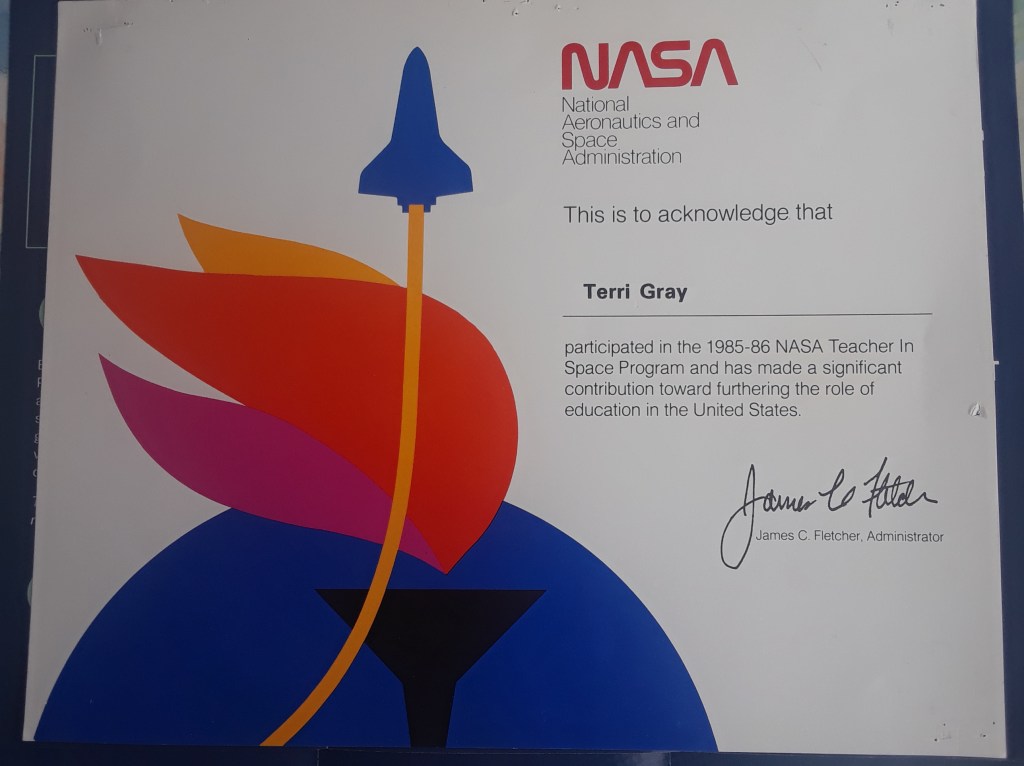
I scrounged up letters of reference, created a scientific experiment to be conducted on the Challenger, obtained approval from my school district and submitted my application to become the first Teacher in Space. I waited for the interview which would select the three top candidates. I was proud to find out a teacher from nearby Aspen was one of the top ten candidates from Colorado, but disappointed my name was not on the list. There were 11,000 qualified candidates from across the US. Somehow, I was overlooked. Eventually, I did receive a certificate stating that I participated in the 1985-86 NASA Teacher in Space Program and made a significant contribution toward furthering the role of education in the United States. As I pulled that award out of a photo album recently, I had to chuckle at all of the staple scars in the corners. Oh, how many hours had I spent creating bulletin boards in various classrooms?

The day of the shuttle launch on January 28, 1986, I was teaching in Basalt Middle School. I did not have access to a radio or a television, therefore I did not hear the news of the Challenger disaster and the death of all seven astronauts until I drove home. Watching multiple broadcasts that evening, I was speechless. There had been 24 successful launches prior to 1986. Never did I imagine that a whole crew would be incinerated during a launch in full view of reporters, families and NASA employees. Naturally, I also kept asking myself, “What if?”

While I had questioned my mortality during a cancer scare, I did not seriously weigh the risks of becoming an astronaut. It was time to reevaluate my goals. Finding adventures and maintaining my strength and happiness must be modified to include, staying alive. As I walked across the parking lot toward my school on the wintery morning, one day after the Challenger explosion, a 5th Grade boy hurried over to me stating “I didn’t always like your science classes, but I’m glad you didn’t blow up.”

“Gee thanks, Allen. I am also relieved that I’ll be here to continue teaching.”

During the next seventeen years of my career, I improved my ability to engage learners and impart wisdom using the mistakes and successes I experienced. Still, I would appreciate an opportunity to visit Christa Mc McAuliffe’s grave in Concord, New Hampshire and reflect on the sacrifice she made.

Myths and Misery Among Mayflower Pilgrims

History books can paint a distorted picture of the immigrants who arrived in Plymouth, Massachusetts almost 400 years ago. They were not all seeking religious freedom. Some, like my ancestor, were servants.

Thanks to the exhaustive research by my cousins and siblings, I have been able to trace my ancestry to Edward Doty, who arrived on the first shallop dispatched from the Mayflower in 1620. He was the manservant of Stephen Hopkins. Although he did sign the Mayflower Compact, he also distinguished himself by becoming a ruffian. On June 18, 1621, he entered into a duel with another manservant over a woman, Constance Hopkins. While he did survive, he was not allowed to marry his employer’s daughter.

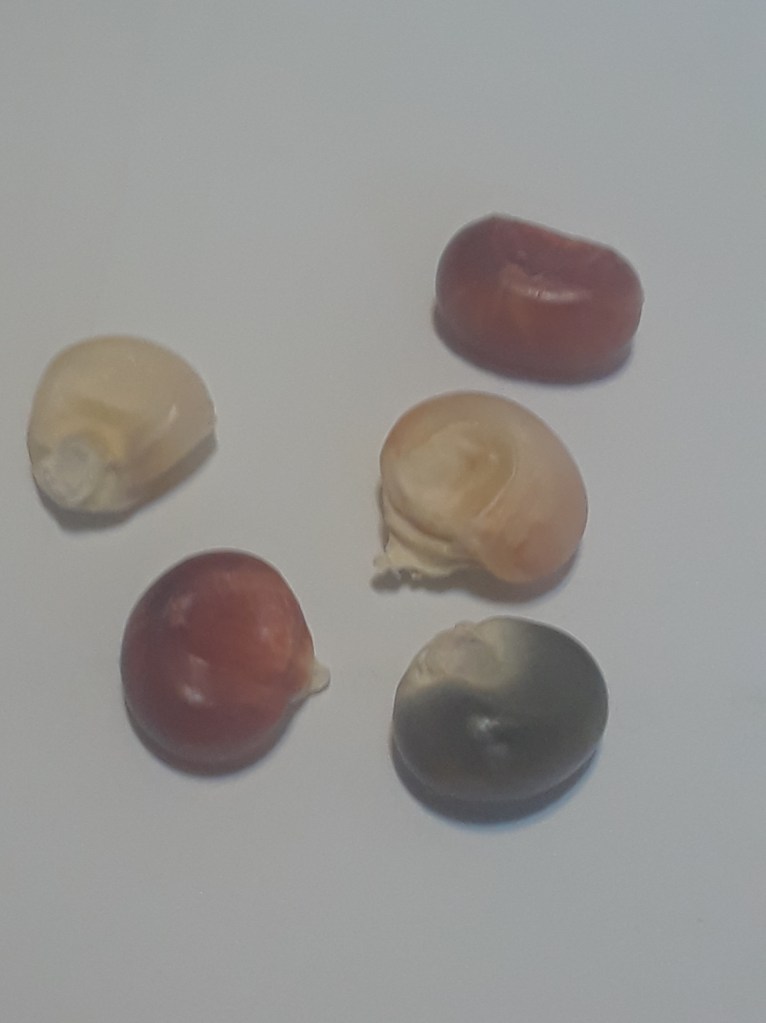
Those who arrived on the Mayflower in 1620 were grateful to be on land, but the winter environment in Plymouth was harsh. The Pilgrims discovered unusual red, yellow and blue corn left by Indians in a dirt mound. In the spring of 1621 they planted it along with the seeds they brought on the ship. The Indian corn produced a good crop whereas English corn was not successful. Without the help of the Mashpee Wampanoag clan, it is doubtful that our Mayflower ancestors would have survived.

The first harvest celebration did indeed include Pilgrims and about 90 indigenous people of the Wampanoag tribe. Shortly after a three-day festival another ship arrived from England with 35 more settlers who desperately needed food and shelter. Every colonist had to survive that winter on half rations.

The crops planted in 1622 did not grow well. The following winter and spring became known as the Starving Time. Each person received five kernels of parched corn a day. Once that was gone they survived on fish and water.

Five kernels of corn has become a symbol of the Mayflower passengers’ greatest achievement, which was a government elected by the people demanding equality and just laws.

Gross National Happiness

Finding Happiness in Bhutan

          Only a comprehensive survey of the population would reveal the true essence of Bhutan. However, I will offer my observations. The native people I met were inspiring examples of loving kindness, cooperation and harmony. They adore their king, Jigme Singye Wangchuck, also known as the Dragon King. Photos of the King, Queen and their young son are prolific. If an individual requires land, they can petition the king and he can assign land for free. Very few workers earn enough to require paying taxes, so few would aspire to buy land. Although television and the internet are available, it is believed that “misuse” of television could erode family life and traditional culture. On national holidays everyone wears traditional dress and many travel to a stadium where music and dance are performed and drawings are held to win gifts from the king.

          A unique aspect of Bhutanese life is the widespread belief in mysticism. The stories of kings and protective deities are intermingled with belief in flying tigers, thunder dragons, religious scrolls hidden within rocks, valleys which possess magic, yetis, ghosts, devils who reside in lakes and goddesses who reside in mountains.

          In conclusion, happiness in the Himalayas was felt due to being surrounded by beauty, meeting people who were content with their lives, and experiencing joy from physical exercise. Belief in karma and the acceptance of being reborn in the afterlife keeps residents of Bhutan from behaving in a socially unacceptable manner. The government is democratic, but also issues severe punishments for showing disrespect to the king or breaking rules which ensure the health and well-being of all.

Esther Burnell: My Kind of Woman

IMG_0471

Highlight your visit to Rocky Mountain National Park with a hike to Mills Lake, named after Enos Mills. It is the quintessential scene in Rocky Mountain National Park due to Longs Peak, Pagoda Mountain, and Chiefs Head in the background.

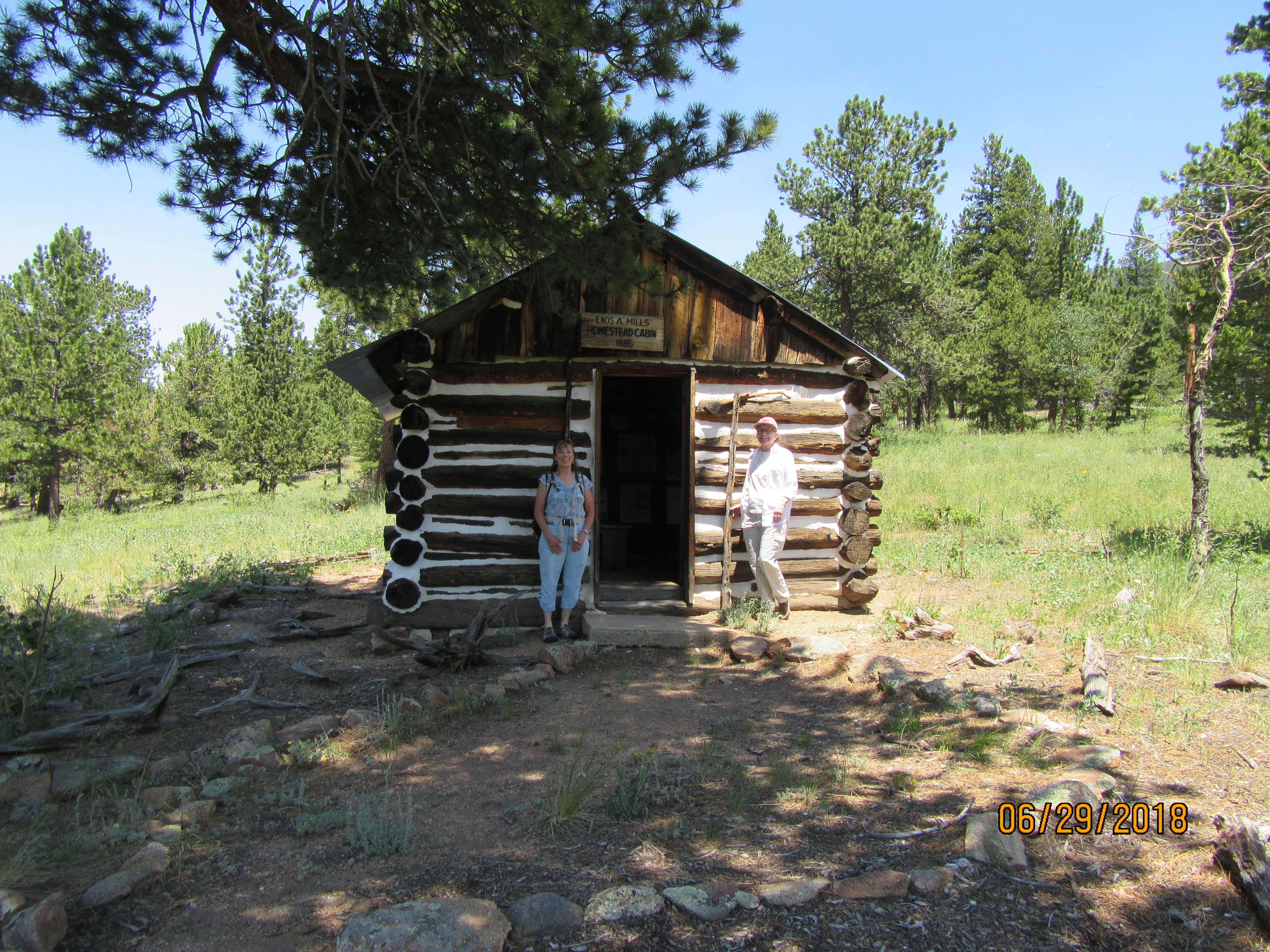
Continue your investigation of the intrepid homesteaders who convinced Congress to preserve this wonderland in 1915. From Estes Park turn on S. St. Vrain Ave. Two miles south on Colorado Highway 7 from Lily Lake stands the sign indicating Longs Peak view. Across the road from that point is an intriguing cabin built in 1885 by young Enos Mills. Today, you can visit this authentic cabin and museum dedicated to Enos Mills’ legacy, which is run by Esther’s great-granddaughter, Eryn. The museum is open year-round, by appointment only. Go to www.enosmills.com to make an appointment or call 970-586-4706. A private tour costs $20.00 per person.

After attending Lake Erie College near Cleveland, Ohio and later studying interior design at the Pratt Institute, Esther Burnell worked as an interior designer. At age twenty six, she was tired of corporations and urban life. In 1916, she and her sister, Elizabeth took a life-altering vacation to Estes Park, Colorado, staying at the Longs Peak Inn, which Enos Mills founded. Esther decided to stay and stake her claim to land near the Fall River entrance to Rocky Mountain National Park. Using her design skills, she planned her cabin and helped build it.

While living in her cabin alone and proving her claim, Esther explored the Rocky Mountains thoroughly. One winter day, she snowshoed 30 miles, to meet friends on the other side of the Continental Divide. After a rest and full-day’s visit, Esther spent 2 days returning to her homestead. People who knew her claimed she was formidable.

The “Father of Rocky Mountain National Park”, Enos Mills, hired her to help him with secretarial work while he was writing his book, “Your National Parks.”

Esther became the Park Service’s first female nature guide. In 1917 she worked alongside her older sister, Elizabeth, and Enos Mills, taking guests as far as they were keen to hike.

Esther and Enos were married on August 12, 1918 at his cabin. Their daughter, Enda, was born in 1919. Just three years after their daughter’s birth, Enos died at age 52. Esther continued to run her husband’s business, the Long’s Peak Inn, and published several of his books.

In 1935, Esther Burnell Mills co-authored a book with Hildegarde Hawthorne on Enos Mills’ life, Enos Mills of the Rockies. Later, she also wrote A Baby’s Life in the Rocky Mountains.

Like Esther, I plan to influence those who seek an understanding of Colorado’s early inhabitants. My novel, Sun on Snow, delves into the White River Ute band and their effective survival skills.